



.svg)

Troubleshooting: Furnace Not Heating
Furnace Not Heating? Sacramento Troubleshooting & Repair GuideA furnace that won’t produce heat is one of the most urgent comfort problems Sacramento homeowners face as temperatures drop. “Furnace not heating”…
Furnace Not Heating? Sacramento Troubleshooting & Repair Guide
A furnace that won’t produce heat is one of the most urgent comfort problems Sacramento homeowners face as temperatures drop. “Furnace not heating” can mean anything from a simple airflow issue to a dangerous gas or combustion fault. This guide walks you through the common no-heat scenarios, explains why each one stops warm air from reaching your rooms, and gives practical checks you can safely try before calling a pro. You’ll learn how thermostats, filters, ignition parts, power, and the blower all work together, how to perform safe DIY checks, when to stop and get expert help, and what repair costs look like in the Sacramento area. We keep instructions straightforward so you can diagnose, decide, and act with confidence — and know when to hand things off to a licensed technician.
What Are the Most Common Causes of a Furnace Not Heating?
When a furnace won’t heat, it’s usually one or more key systems that aren’t doing their job: the thermostat and controls, airflow (filters and vents), ignition and combustion parts, power supply, or major mechanical components like the blower motor or heat exchanger. Knowing these categories helps you prioritize safe checks and narrow down likely causes. The most frequent culprits are thermostat settings or failures, blocked airflow from dirty filters or closed vents, ignition or flame-sensing faults, tripped breakers or switches, and worn parts like blower motors or gas valves. Below is a quick, scannable list of top causes with brief explanations to help with fast diagnosis.
• Thermostat set incorrectly or failing — the furnace never gets the “call for heat.”
• Clogged air filter or blocked returns — airflow is restricted and the system may shut down to protect itself.
• Ignition problems or dirty flame sensors — burners won’t stay lit or won’t ignite.
• Power problems — tripped breaker or the furnace switch is off, so the unit won’t respond.
Table intro: The table below links common failure points to their usual symptoms and simple checks you can do at home.
ComponentCommon SymptomHome Check / ActionThermostatFurnace won’t cycle on or room temperature seems wrongConfirm mode is set to "heat", raise the setpoint, replace batteries or reset the thermostatAir Filter / VentsWeak airflow, short cycling, dusty return ventsInspect and replace filter, open any closed vents, clear debris from the return grillIgnition / Flame SensorFurnace lights briefly then shuts off, or doesn’t ignite at allWatch the pilot/igniter sequence, clean the flame sensor per manual, don’t attempt gas valve repairs if you smell gasPower / BreakerNo lights or response from the furnaceCheck the breaker panel, make sure the furnace switch at the unit is ON, reset breaker only if safeBlower Motor / Blower WheelUnit runs but no warm air or unusual soundsListen for motor noise, check blower compartment for obstructions (turn power off first)
This quick overview helps you prioritize: thermostat and filter checks are fast and often fix the problem, while ignition or mechanical faults usually need a technician. If home checks don’t bring heat back, a professional diagnostic will pinpoint deeper issues and next steps.
How Does a Malfunctioning Thermostat Affect Furnace Heating?
A faulty or misconfigured thermostat breaks the command chain that tells the furnace to run, so your system may be mechanically fine but never get the signal to heat. Thermostats range from basic mechanical units to programmable and smart models; they can fail because of dead batteries, wrong mode selection, sensor errors, or internal faults. Quick owner checks are: make sure the thermostat is on Heat, raise the setpoint above room temperature, swap batteries if it’s battery-powered, and try a simple reset per the manufacturer’s instructions. If the thermostat still reads wrong or won’t trigger the furnace after these steps, it may need replacement or professional calibration to restore reliable control and avoid unnecessary cycling.
Fixing thermostat issues often points you to the next area to check: airflow. Even with a working thermostat and a firing furnace, restricted airflow can stop heat from reaching your rooms.
Can a Dirty Air Filter Cause Furnace Heating Problems?
Yes. A clogged air filter limits return airflow, forcing the furnace to work harder and often tripping safety limits that shut the burner down — which shows up as a no-heat condition. Restricted airflow lowers heat transfer efficiency at the heat exchanger, increases system pressure, shortens blower life, and can cause repeated cycling or total shutdown. Check your filter monthly during heavy use and replace it according to the manufacturer — usually every 1–3 months depending on filter type, pets, and household dust. Choosing the right MERV rating matters: higher MERV catches more particles but can restrict airflow on some residential systems and may need more frequent changes.
Keeping filters clean also cuts down dust on flame sensors and burners, which improves ignition reliability and reduces service calls.
How Can Homeowners Perform DIY Furnace Troubleshooting?
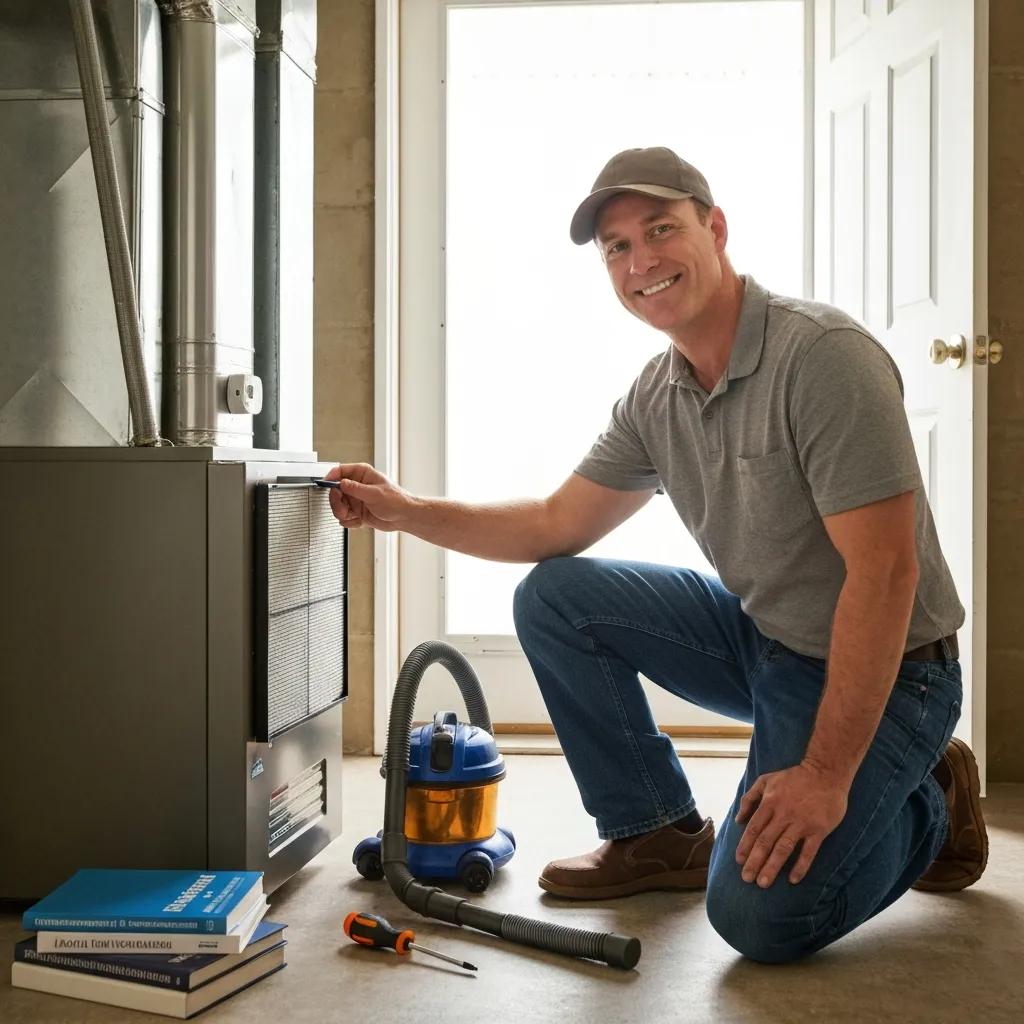
DIY troubleshooting focuses on safe, high-impact checks you can do without special tools: confirm power and thermostat settings, inspect filters and vents, check breakers and the furnace switch, and observe the ignition sequence while following safety precautions. Safety first: always cut power at the furnace switch or breaker before opening panels, and never try to repair gas valves or internal fuel lines. The checklist below helps you rule out the common, simple causes before scheduling a pro. These steps are chosen for safety and usefulness for non-technical homeowners.
• Confirm thermostat settings and power: Make sure the thermostat is set to Heat, the setpoint is above room temperature, and replace batteries if needed.
• Check furnace power and breaker: Verify the furnace’s power switch is ON and look for a tripped breaker in your panel; reset only if it’s safe to do so.
• Inspect and replace the air filter: Pull the filter, check for heavy dirt or blockage, and replace with the correct size and suitable MERV rating to restore airflow.
• Observe the ignition sequence: With the thermostat calling for heat, watch for the inducer motor, ignition click, and flame; note any clicking, long ignition attempts, or failure to light.
These steps fix a large share of no-heat calls and give you useful information for a technician if the problem continues — for example, whether the furnace tries to ignite or if airflow is the main issue.
What Are the Step-by-Step Checks for a Furnace Not Igniting?
If the furnace won’t ignite, stick to safe observations: confirm the thermostat is calling for heat, make sure the gas supply to the home is on and there’s no utility outage, and watch the ignition sequence for sparking or pilot activity. For electronic ignition systems, listen for the inducer motor, the ignition click, and then the burners lighting. For older pilot-lit units, check that the pilot is lit and steady. Never try to repair gas valves or internal gas lines yourself — and if you smell gas, leave the house immediately and call emergency services. Writing down what you see (multiple ignition attempts, a brief flame that goes out, or no flame at all) will help a technician quickly identify whether the issue is the igniter, flame sensor, gas valve, or control board.
How Do You Relight a Pilot Light Safely?
Only older furnaces with a standing pilot need relighting; newer units use electronic ignition and don’t have a pilot to relight. Safety comes first: if you detect a strong gas odor, don’t try to relight anything — evacuate and report the leak. If there’s no gas smell, follow the manufacturer’s relighting steps: turn the gas control to "pilot," press and hold the knob to allow gas flow, use the pilot button or a long lighter as directed, and keep the control depressed for 30–60 seconds so the thermocouple can sense heat. If the pilot won’t stay lit after several careful attempts, the thermocouple or gas valve may be failing — stop and call a licensed technician.
If you successfully relight the pilot, monitor the furnace through a full cycle to confirm the main burners ignite reliably and the furnaces system reaches the set temperature without short cycling.
When Should You Call a Professional for Furnace Repair in Sacramento?
Call a professional when safety, combustion, or major electrical/mechanical issues are involved — for example, any gas smell, carbon monoxide alarm activation, repeated ignition failures, or visible wear on critical parts like the heat exchanger or blower. Sacramento homeowners should treat signs such as a persistent gas odor, a tripped CO alarm, visible cracks in the heat exchanger, flame rollout, or exposed wiring as reasons to evacuate and request urgent service. Professional technicians have diagnostic tools and safety tests (combustion analysis, CO readings) that home checks can’t replicate. Use the checklist below to decide when to stop DIY troubleshooting and call a licensed HVAC technician.
• Any smell of natural gas or rotten-egg odor.
• Carbon monoxide alarm sounds or anyone has symptoms like headache, dizziness, or nausea.
• Furnace won’t ignite after basic checks or cycles on and off repeatedly.
• Burning smells, visible arcing, or breakers that trip again after resetting.
When in doubt, put safety first: evacuate if needed and get a professional inspection to confirm the system is safe to use.
What Safety Hazards Indicate Immediate Expert Help?
Immediate expert help is required for hazards that threaten occupants: gas leaks, carbon monoxide alarms, burning odors, or exposed live wiring. Carbon monoxide is colorless and odorless but can cause serious health effects; if a CO alarm sounds, leave the home right away and call emergency services. If you smell gas, get everyone out, avoid using switches or phones inside, and notify the gas utility and emergency responders from a safe location. For electrical hazards like smoke, burning smells, or visible sparking, shut off power at the main breaker only if it’s safe to do so, then call professionals to prevent fire or shock risk.
How Do Commercial Property Owners Benefit from Professional HVAC Services?
Commercial owners and managers get real value from professional HVAC services through preventive maintenance agreements, priority emergency response, code-compliant inspections, and documented service records for compliance and tenant safety. Commercial systems are larger and run harder, so technicians tailor maintenance schedules to reduce downtime and keep multiple units running smoothly. Good service contracts often include regular tune-ups, fast dispatch for emergencies, and thorough records that help with warranties and regulatory requirements. Investing in professional HVAC care lowers the risk of disruptive failures and helps control long-term operating and replacement costs.
Accurate diagnostics and planned maintenance are usually more cost-effective than reactive repairs that cause downtime and liability for commercial properties.
What Are the Typical Furnace Repair Costs in Sacramento?
Repair costs in Sacramento vary by repair type, parts, labor, and whether you need after-hours or emergency service. Minor fixes can be a few hundred dollars, while major component replacements cost significantly more. Price drivers include the brand and availability of parts, the furnace’s age and accessibility, diagnostic time, and how quickly you need service. The table below shows common repair types, typical issues, and estimated cost ranges to help you set expectations before calling for a diagnostic visit.
Repair TypeTypical IssueTypical Cost Range / UrgencyMinor Repair (thermostat/calibration)Thermostat failure, sensor recalibration$100–$300 / RoutineMid Repair (flame sensor, igniter, blower motor capacitor)Ignition failures, noisy blower, sensor cleaning$200–$700 / ModerateMajor Replacement (heat exchanger, blower motor, control board)Cracked heat exchanger, motor failure, board failure$800–$3,000+ / High urgency; safety implications
These ranges reflect typical Sacramento market variation. A professional diagnostic gives the exact scope and estimate and often saves money by avoiding unnecessary part swaps.
How Much Does Minor Furnace Repair Usually Cost?
Minor repairs include thermostat replacement or calibration, filter changes, cleaning a flame sensor, or swapping small electrical parts. These fixes usually restore function quickly and are relatively affordable. Many homeowners handle filters and simple thermostat issues themselves at low cost; when a technician’s diagnosis is needed, targeted minor repairs typically keep costs down and prevent more serious damage later. Acting promptly on small issues helps avoid bigger, more expensive repairs.
What Are the Costs for Major Component Replacements?
Major replacements — like a heat exchanger, blower motor, or control board — are more expensive because of parts, labor, and required safety checks. A cracked heat exchanger is especially serious and often leads to recommendations for system replacement due to combustion safety and efficiency loss. Costs vary by furnace model and part availability, and labor rises when access is limited or additional testing is required after installation. In Sacramento, ask for written estimates that separate parts, labor, and warranty terms. When major components fail, technicians should provide repair-versus-replace guidance that considers equipment age, efficiency, and long-term operating costs.
Knowing the trade-offs between repair and replacement helps you make decisions that balance short-term expense with long-term safety and comfort.
How Can Regular Furnace Maintenance Prevent Heating Issues?
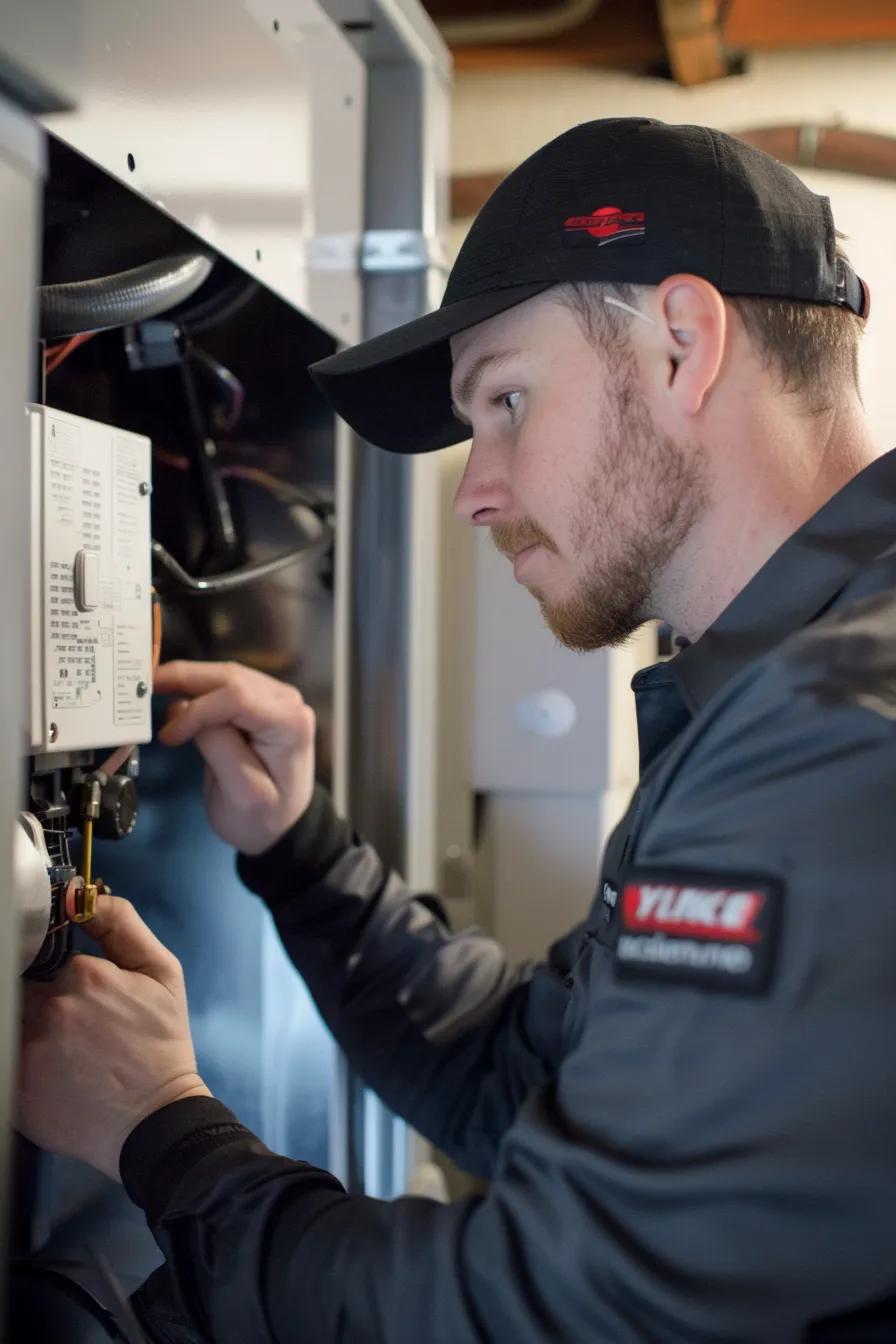
Regular maintenance prevents many no-heat situations by keeping ignition parts clean, verifying safe combustion, preserving airflow, and spotting early wear before it becomes an emergency. Annual tune-ups usually include filter checks and replacement, burner cleaning, flame sensor and igniter inspections, blower lubrication and balancing, tightening electrical connections, and a combustion safety check that may include CO testing. Proactive maintenance extends equipment life, improves efficiency, lowers energy costs, and reduces emergency repair calls — especially helpful in Sacramento, where seasonal demand can spike. The checklist below outlines what to expect from routine service and how it cuts the chance of sudden heating loss.
• Inspection and cleaning: Burners, flame sensors, and combustion pathways inspected and cleaned to promote reliable ignition.
• Mechanical checks: Blower alignment, belt condition, and motor lubrication to prevent airflow failures.
• Safety and controls: Limit switches, valves, and electrical connections tested and tightened to ensure safe operation.
Regular maintenance shifts you from reactive repairs to proactive care, reducing downtime, improving safety, and keeping operating costs lower over time.
What Is Included in an Annual Furnace Tune-Up Checklist?
An annual tune-up generally includes a visual inspection, cleaning burners and flame sensors, testing ignition and control systems, measuring combustion efficiency when needed, inspecting the heat exchanger for visible issues, lubricating moving parts, checking filters and vents, and verifying thermostat operation. Technicians also tighten electrical connections, test safety controls, and recommend immediate fixes or future replacements based on wear. Written documentation from each tune-up creates a maintenance record that supports warranties, resale value, and informed replacement decisions. Scheduling tune-ups before the busy heating season helps ensure reliable performance when you need it most.
This thorough tune-up process reduces sudden failures and supports long-term reliability for both homes and commercial properties.
How Does Replacing Filters Extend Furnace Lifespan?
Regular filter replacement preserves airflow, keeps dust off heat exchangers and flame sensors, and reduces strain on the blower motor — all of which slow component wear and improve efficiency. Dirty filters raise static pressure in the system, making motors run hotter and fail sooner while reducing heat transfer and causing more frequent cycling. Choose the right MERV rating for your system and household (pets, allergies, or heavy dust may mean more frequent changes). Consistent filter care is a low-cost, high-impact step that improves longevity, indoor air quality, and operating costs.
Replacing filters regularly is a simple maintenance habit that supports both safety and performance.
What HVAC Services Does Bronco Plumbing Heating and Air Offer for Furnace Repair?
Bronco Plumbing Heating and Air offers local diagnostics, repairs, maintenance, and emergency furnace service for Sacramento homeowners and commercial property owners. We focus on accurate diagnostics that identify the root cause — electrical, ignition, airflow, or mechanical — and on clear repair recommendations with transparent pricing. Bronco provides routine tune-ups, targeted part repairs, and priority response for emergencies, and we service both residential systems and larger commercial units to reduce downtime. The table below summarizes our core furnace services, what each includes, and the typical benefits or response expectations for Sacramento customers.
Table intro: The table that follows outlines Bronco’s furnace services so you know what to expect when you schedule work.
ServiceIncludesBenefit / Response TimeDiagnostic VisitVisual inspection, electrical checks, ignition and combustion assessmentClear fault ID; scheduled within available appointment windowsRepair & Parts ReplacementFlame sensor/igniter, blower parts, control boardsRestores heating with clear options and repair guaranteesMaintenance / Tune-UpFilter check, burner cleaning, safety control tests, documentationPreventive care that reduces emergencies and extends equipment life
These services are designed for Sacramento homes and businesses, combining accurate diagnostics, reliable repairs, and maintenance to reduce repeat failures and give you one local team to call for heating care.
How Does Bronco Provide Reliable Furnace Diagnostics and Repairs?
Bronco’s diagnostic process is methodical: we confirm thermostat and power signals, watch the ignition sequence, test combustion and safety controls, and inspect airflow to find root causes rather than treating symptoms. Our technicians explain findings, outline repair options that weigh cost and safety, and recommend replacement only when necessary — documenting safety issues like heat exchanger concerns. The usual workflow is an on-site diagnostic, a written estimate, and scheduling approved repairs, with a focus on timely Sacramento response and dependable workmanship. This transparent approach helps homeowners avoid unnecessary parts changes and make informed repair-or-replace decisions.
Knowing our diagnostic workflow sets clear expectations for communication and outcomes when Bronco visits your property.
How Can Customers Schedule Emergency Furnace Repair in Sacramento?
Customers needing emergency furnace service can request same-day diagnostics and emergency response through Bronco Plumbing Heating and Air. When you call, have details ready about symptoms (no ignition, gas smell, CO alarm, unusual noises), system type (gas or electric, pilot or electronic ignition), and whether multiple units are affected in a commercial setting — that helps us prioritize response. Our techs will advise any immediate safety steps, such as evacuation for a gas leak or CO alarm, and arrive equipped with diagnostic tools and common parts to speed repairs. Bronco’s local focus balances quick response with thorough diagnostics so emergencies are handled safely and efficiently.
Final business note: For Sacramento homeowners and property managers who need dependable furnace troubleshooting, Bronco Plumbing Heating and Air delivers local expertise, clear diagnostics, and emergency scheduling to restore safe, efficient heating with honest recommendations.
Frequently Asked Questions
What should I do if my furnace is making unusual noises?
Strange furnace noises — rattling, banging, or squealing — often point to mechanical problems like loose panels, a failing blower motor, or heat exchanger issues. First, turn the furnace off for safety and look for obvious obstructions or loose panels. If noises continue after restarting, call a professional technician to inspect and repair the problem, since ignoring the sounds can lead to bigger failures or safety issues.
How often should I schedule professional furnace maintenance?
We recommend scheduling professional furnace maintenance at least once a year, ideally before the heating season. Regular tune-ups ensure components work properly, reduce unexpected breakdowns, and extend your furnace’s life. During a maintenance visit, a technician will clean, inspect, and test key parts so your system runs safely and efficiently when you need it most.
Can I use my furnace if the pilot light is out?
No — don’t run the furnace if the pilot light is out on a pilot-lit unit. The pilot is required to ignite the burners; without it, gas can build up and create a safety risk. Follow the manufacturer’s relighting instructions, and if the pilot won’t stay lit after several attempts, call a professional to check the thermocouple or gas supply.
What are the signs that my furnace needs to be replaced?
Signs that replacement may be the better option include frequent breakdowns, rising energy bills, uneven heating, and an older system (most furnaces last 15–20 years). Other red flags are persistent unusual noises, pilot or ignition problems, or a yellow flame instead of blue. If repair costs approach half the price of a new system, replacement often makes more sense long term.
How can I improve my furnace's efficiency?
Improve efficiency with regular maintenance — filter changes and cleaning — and by sealing air leaks, adding insulation, and using a programmable thermostat. If your furnace is old, upgrading to a high-efficiency model can deliver significant energy savings and better performance. These steps help lower energy bills and keep your home more comfortable.
What should I do if my furnace is blowing cold air?
If your furnace is blowing cold air, first check the thermostat (make sure it’s set to Heat and the setpoint is above room temperature) and inspect the air filter for clogs. If those checks don’t fix it, the problem could be the ignition system, gas supply, or blower motor — in which case you should call a professional technician for a safe diagnosis and repair.
Conclusion
Quick action on furnace heating problems keeps your home warm and safe during Sacramento’s cooler months. Understanding common causes and doing a few basic checks can save time and money, and give you valuable information for a technician if you need one. For expert help, Bronco Plumbing Heating and Air offers local diagnostics, repairs, and emergency service tailored to Sacramento homes and businesses. Reach out when you need dependable support to keep your furnace running safely and efficiently.

Customer Testimonials
Our customer testimonials highlight the reliable service, quality workmanship, and trusted results homeowners experience with Bronco Plumbing Heating and Air.


Ready to Transform your Home?
Create a healthier, more comfortable home with expert HVAC, plumbing, and indoor air quality solutions you can trust. From efficient heating and cooling to cleaner air and reliable repairs, our experienced team is here to keep your family comfortable year-round with dependable service and upfront pricing.
Related Articles
Transitioning Your Heat Pump Settings as August Nights Finally Cool Down

The Relationship Between Attic Insulation and Late Summer Cooling Cycles
What a Sudden Spike in Your August Electric Bill Actually Means for Your AC