



.svg)

Essential Water Heater Maintenance Tips for Homeowners
Keep Your Water Heater Running Smoothly: Essential Maintenance TipsSkipping regular water heater tune-ups can really add up, potentially hiking your energy bills by as much as 15% each year and…
Keep Your Water Heater Running Smoothly: Essential Maintenance Tips

Skipping regular water heater tune-ups can really add up, potentially hiking your energy bills by as much as 15% each year and shaving off several years from your appliance's lifespan. This guide is your go-to resource for homeowners and commercial property managers in Sacramento, CA, offering a clear path to effective water heater maintenance. We'll cover why servicing is a must, the best times to do it, how to flush your tank step-by-step, when to check and swap out the anode rod, how to tackle common hiccups, and what's special about commercial systems. With insights from the pros at Bronco Plumbing Heating and Air, you'll learn how to boost efficiency, make your unit last longer, keep things safe, and know exactly when to call for expert help to ensure you always have hot water and avoid costly surprises.
Here’s what you’ll discover:
• Why giving your water heater regular check-ups makes it perform better and more reliably
• When to schedule maintenance and how to flush your tank like a pro
• How to spot a worn-out anode rod and replace it, with local cost insights
• Troubleshooting common issues, setting the right energy-saving temperatures, and safety checks
• Special maintenance steps and rules for commercial units
This guide brings together the best advice on energy efficiency, preventative care, and professional service recommendations, giving you practical tips to keep your hot water system in top shape for years to come.
Why Regular Water Heater Tune-Ups Are a Big Deal
Regular water heater servicing is all about prevention. It’s how we clear out sediment, check all the safety features, and make sure every part is in good working order so your system runs efficiently and safely. By combining inspections with cleaning, we stop corrosion in its tracks, cut down on wasted energy, and prevent leaks. A typical professional check-up involves flushing the tank, calibrating the thermostat, testing the pressure relief valve, and inspecting the anode rod to keep everything performing at its best and keep you comfortable.
How Does Maintenance Boost Your Water Heater’s Efficiency?
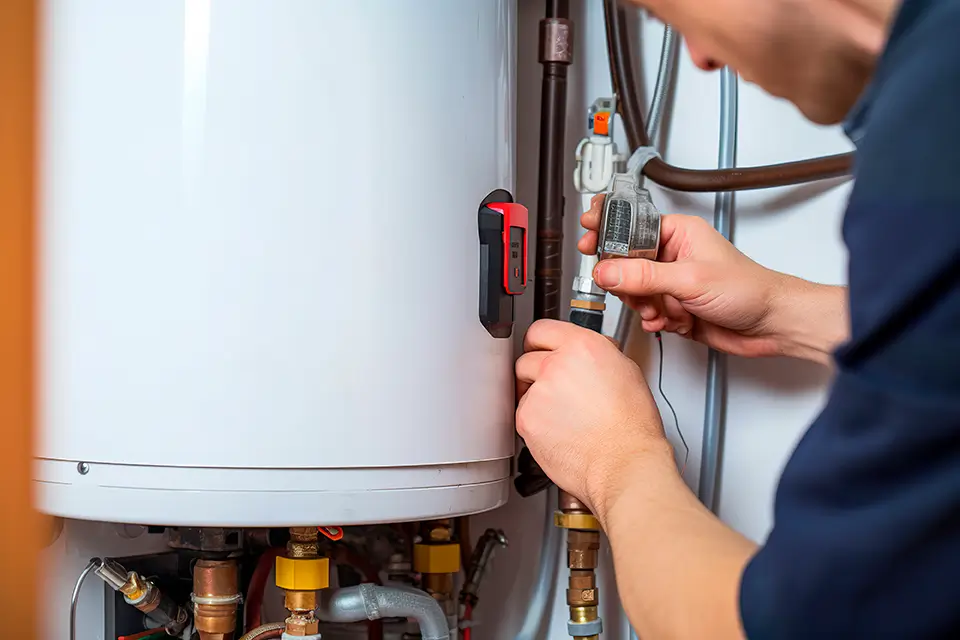
Maintenance makes your water heater more efficient by getting rid of insulating sediment and ensuring heat transfers properly, which means less fuel or electricity used. Flushing the tank and removing scale annually can restore up to 15% of lost efficiency by clearing out mineral buildup that coats the heating elements. Regularly checking the thermostat also ensures it’s set accurately, preventing overheating and wasted energy.
• Removing sediment clears away insulating layers on heating surfaces.
• Calibrating the thermostat keeps temperatures steady and prevents energy loss from frequent cycling.
• Inspecting valves ensures optimal water flow and pressure control.
When you remove these performance barriers, you’ll see lower utility bills and enjoy a more responsive hot water system, all while setting the stage for a longer lifespan and better reliability.
What Are the Perks of Making Your Water Heater Last Longer?
Getting more years out of your water heater through consistent maintenance offers significant financial, environmental, and operational benefits. Taking good care of it delays costly replacement expenses, cuts down on carbon emissions by reducing energy consumption, and ensures you always have the hot water you need for daily life. Here’s a quick look at the main advantages of proactively extending your water heater’s life:
BenefitImpactExampleDelay ReplacementSave money on new equipmentPush off buying a new unit for 3–5 yearsSave EnergyLower monthly utility billsPotentially save up to $100 annuallyFewer BreakdownsMore reliable hot water supplyAvoid emergency repair costs
Extending your system’s service life not only reduces your environmental impact but also enhances your home comfort, encouraging smart, long-term maintenance habits.
How Does Sacramento’s Water Quality Impact Your Water Heater?
The water in Sacramento is considered hard, typically containing 120 to 180 milligrams per liter (mg/L) of calcium carbonate. (hydroflow-usa.com) This means there are more minerals, which can speed up sediment buildup and corrosion inside your tank. Over time, these mineral deposits settle at the bottom, blocking the heating elements and causing strange noises. Hard water also wears down the anode rod faster, increasing the risk of rust.
Key things to keep in mind:
• Water hardness levels over 120 mg/L mean you’ll need to flush your tank more often.
• How quickly minerals build up can differ depending on your specific neighborhood water source.
• High mineral content causes the anode rod to wear out more quickly.
Understanding your local water chemistry highlights why annual flushing and targeted corrosion protection are so important. This knowledge will help you set the best maintenance schedule, which we’ll cover next.
How Often Should You Schedule Water Heater Maintenance?
Having a regular maintenance schedule is key to preventing inefficiencies and unexpected failures. It ensures sediment is removed, corrosion is controlled, and safety checks are done at the right times. Consistent upkeep, tailored to your local water conditions and how you use hot water, keeps your system running smoothly and reduces the need for emergency calls. Both homeowners and property managers benefit from a clear plan that balances preventative care with minimal disruption.
Maintenance TaskRecommended IntervalPurposeFlushingAnnuallyRemove sediment and improve heating efficiencyAnode Rod InspectionEvery 3 yearsPrevent internal tank corrosionPressure Relief Valve TestingAnnuallyEnsure safety release is working correctly
Sticking to these intervals will keep your system running at its best and save you money on energy. For a personalized schedule or to book professional service, reach out to Bronco Plumbing Heating and Air for expert support.
What’s the Recommended Schedule for Flushing Your Water Heater?
Flushing your water heater once a year is crucial for removing sediment that can insulate the heating elements and reduce the tank’s capacity. An annual flush, under typical use, clears out mineral deposits and can restore your system’s heating efficiency to near its original level. If you live in an area with particularly hard water, flushing it twice a year might be a good idea to keep sediment from building up too quickly. Keeping an eye on sediment levels during service visits can help fine-tune the best flushing frequency for your specific needs.
When Should You Check and Replace the Anode Rod?
You should inspect the anode rod every three years, or more often if your water is particularly hard or corrosive, as this can speed up wear. A worn-out rod will have lost at least half its diameter, leaving the tank’s steel interior vulnerable to corrosion. Replacing it every 3–5 years is essential for protecting your tank and preventing rust-related leaks. When you inspect it, look for significant pitting or a thick coating of calcium, which are signs that it’s time for a replacement to prevent future problems.
How Often Do Pressure Relief Valves Need Testing?
Pressure relief valves should be tested every year to make sure they’ll reliably release excess temperature or pressure. To test it, lift the lever a few times to confirm that water flows freely and that the valve seals properly afterward. If the valve doesn’t hold pressure or starts leaking, it needs to be replaced immediately to prevent dangerous overpressure situations. Ensuring this valve works correctly is vital for your system’s overall safety and compliance.
Step-by-Step Guide to Flushing Your Water Heater
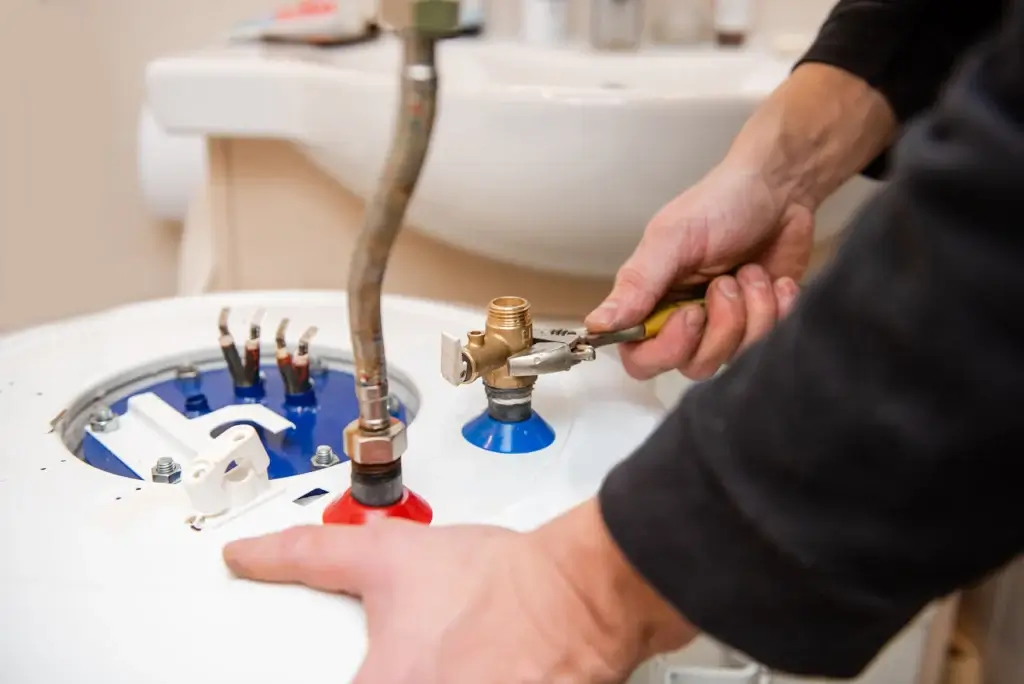
Flushing is a targeted maintenance process designed to remove sediment and restore efficient heat transfer by draining and refilling the tank. Performing a thorough flush can improve efficiency, reduce noise, and extend the life of your components through regular descaling.
Why Is Flushing So Important for Your Hot Water Tank?
Flushing prevents sediment from building up, which can block heat transfer and cause hot spots on electric heating elements or reduce flame effectiveness in gas burners. Removing this debris helps maintain the tank’s full capacity, shortens heating cycles, and prevents premature failure of heating elements. For instance, electric water heaters can overheat and trigger safety cut-offs if mineral deposits create an insulating layer.
What Gear Do You Need for Effective Water Heater Descaling?
To effectively descale your water heater, you’ll need a standard adjustable wrench, a garden hose, a bucket for the initial drain, and protective gloves for handling potentially hot water. A flathead screwdriver can be helpful for opening the drain valve, and a wire brush can assist in loosening any stubborn deposits around the tank’s inlet and outlet connections. For more information, you can visit our tank water heater page.
How Can You Safely Flush Your Water Heater?
Follow these steps to safely and effectively flush your water heater:
• Turn off the power supply or set your gas control to the pilot light setting.
• Connect a garden hose to the drain valve and run the other end to a safe drainage spot.
• Open a hot water faucet somewhere in your house to let air in, then open the drain valve to let the tank empty.
• Once it’s empty, close the drain valve, open the cold water inlet valve to refill the tank, and repeat the draining process if you see a lot of sediment.
• Close the hot water faucet, shut the drain valve, turn the power or gas control back on, and check that everything is working correctly.
Completing these steps annually will help restore your water heater’s heating performance and reduce the risk of damage to its elements and burners.
How to Spot and Replace a Worn Anode Rod
A worn-out anode rod is a major culprit behind tank corrosion. It acts as a sacrificial metal, attracting corrosive elements and protecting the steel tank lining. Inspecting and replacing this component is key to ensuring your tank lasts as long as possible.
What Is an Anode Rod and Why Is It Vital for Your Water Heater?
An anode rod is essentially a metal bar, usually made of magnesium, aluminum, or zinc alloy, that’s placed inside your water heater tank. Its job is to sacrifice itself to corrosion, protecting the steel tank from rusting. It works through an electrochemical process that draws corrosive elements away from the tank walls and onto the rod itself. Without this protective shield, the tank’s steel can corrode from the inside, leading to leaks and the need for an early replacement.
What Are the Signs of a Failing Anode Rod?
You might notice signs like cloudy or rusty water, a sulfurous smell (like rotten eggs) from hydrogen sulfide buildup, or visible pitting and scaling on the anode rod itself. If your hot water supply seems less consistent or other internal parts are failing prematurely, it could also indicate that the anode rod is depleted. Checking the rod annually will show you how much wear it has, helping you decide when it’s time for a replacement.
What’s the Typical Cost to Replace an Anode Rod in Sacramento?
In Sacramento, replacing an anode rod usually costs between $80 and $150, which includes labor. The final price can depend on how easy it is to access the tank and the type of rod needed. Having a professional install it ensures it’s properly seated, the system is safely shut down and restarted, and everything is working as it should. For an exact quote and to schedule a service, contact Bronco Plumbing Heating and Air for an inspection and replacement.
Common Water Heater Problems and How Prevention Helps
Regular preventative care can tackle common water heater issues—like leaks, inefficiency, and safety concerns—before they turn into expensive repairs or replacements. By combining early detection methods with scheduled maintenance, you can ensure your system remains reliable and performs optimally.
How Can You Catch Leaks and Inefficiency Early On?
To spot leaks early, do a quick visual check each day for any water pooling around the base of the tank, signs of corrosion on pipe connections, or dampness near fittings. You’ll notice drops in efficiency if your water takes longer to heat up, the temperature fluctuates unexpectedly, or the system cycles on and off more than usual. Keeping an eye on your energy bills can also reveal declining performance caused by sediment buildup or worn-out parts.
What Temperature Settings Are Best for Saving Energy?
Setting your thermostat to 120 °F (49 °C) strikes a great balance between energy efficiency and safe hot water delivery. This temperature helps reduce standby heat loss, lowers the risk of scalding, and prevents unnecessary cycling. Lowering the temperature by 10 °F can save you about 5% on your water heating costs, contributing to overall energy savings.
When Should You Call a Professional for Water Heater Repair?
If you notice persistent leaks, strange noises, the pressure relief valve discharging water, or inconsistent water temperatures even after basic maintenance, it’s time to call in the experts. Skilled technicians from Bronco Plumbing Heating and Air can accurately diagnose the problem, replace any faulty parts, and perform a thorough service to get your system running reliably again.
Special Maintenance Needs for Commercial Water Heaters
Commercial water heaters are built to handle higher demands and often operate under stricter regulations, which means they require specialized maintenance routines that differ from residential units. Implementing structured service plans and compliance checks ensures businesses and multi-unit properties have uninterrupted hot water service.
How Is Commercial Water Heater Maintenance Different from Residential?
Commercial units typically have larger tanks, multiple heating elements or burners, and more complex control systems. This means they need more frequent inspections—often semi-annually rather than annually—and specialized calibration for mixing valves and safety devices. Technicians will check burner efficiency, inspect the heat exchanger for any issues, and test backup heating systems to ensure they can handle continuous use. For more on commercial heating, visit commercial heating services.
What Are the Regulatory Compliance Requirements in Sacramento?
In Sacramento, commercial water heater installations must meet local plumbing codes. This includes ensuring proper sizing of expansion tanks, installing backflow prevention devices, and adhering to specific pressure relief valve requirements. Annual safety inspections and keeping detailed records of all maintenance activities are mandatory to satisfy insurance and health department standards.
How Can Preventative Maintenance Contracts Benefit Commercial Properties?
Signing up for a preventative maintenance contract typically includes scheduled semi-annual servicing, priority emergency response, and discounted rates on repairs. Property managers benefit from predictable budgeting, minimized downtime, and the assurance that qualified technicians are keeping the system in top condition according to agreed-upon standards. These agreements help maintain operational continuity and extend the equipment’s service life.
Your Top Water Heater Maintenance Questions Answered
Homeowners and facility managers often have questions about costs, the necessity of maintenance, signs that service is needed, and the risks of neglecting upkeep. Addressing these common concerns helps decision-makers prioritize regular maintenance and understand the value of professional expertise in preventing unexpected breakdowns.
How Much Does It Cost to Flush a Water Heater?
Flushing a water heater typically costs between $75 and $120, depending on how accessible the unit is and how hard your water is. Professional flushing includes removing sediment, a quick system inspection, and verifying performance. Investing in this routine service helps prevent efficiency loss and potential damage to components.
Is Water Heater Maintenance Truly Necessary?
Regular maintenance is essential because it prevents sediment buildup, maximizes energy efficiency, and significantly reduces the chances of leaks or component failures. Skipping maintenance speeds up wear and tear, increases operating costs, and can shorten your tank’s lifespan by several years, making upkeep a wise and cost-effective investment.
How Do You Know If Your Water Heater Needs Servicing?
Signs that your water heater needs attention include unusual noises, inconsistent water temperatures, rusty or discolored water, and a noticeable increase in your energy bills. If you encounter any of these issues, it’s a good idea to schedule a professional evaluation to restore optimal performance and safety.
What Happens If You Don’t Flush Your Water Heater?
If you skip flushing your water heater, sediment will build up at the bottom. This layer acts as an insulator, reducing heat transfer efficiency, causing internal elements to overheat, and increasing the risk of tank corrosion. Over time, this neglect leads to higher energy bills, premature component failures, and potentially the need for a complete system replacement.
Keeping up with regular maintenance is the key to efficient operation and a long service life for your water heater. By following these tips—annual flushing, timely anode rod replacement, testing safety valves, and scheduling professional inspections—homeowners and commercial managers in Sacramento can optimize energy use, avoid unexpected problems, and ensure consistent comfort. For expert help and customized maintenance plans, contact Bronco Plumbing Heating and Air to schedule a service appointment with their qualified technicians.

Customer Testimonials
Our customer testimonials highlight the reliable service, quality workmanship, and trusted results homeowners experience with Bronco Plumbing Heating and Air.


Ready to Transform your Home?
Create a healthier, more comfortable home with expert HVAC, plumbing, and indoor air quality solutions you can trust. From efficient heating and cooling to cleaner air and reliable repairs, our experienced team is here to keep your family comfortable year-round with dependable service and upfront pricing.
Related Articles
Transitioning Your Heat Pump Settings as August Nights Finally Cool Down


The Relationship Between Attic Insulation and Late Summer Cooling Cycles
What a Sudden Spike in Your August Electric Bill Actually Means for Your AC