



.svg)

Why Protecting Your HVAC System During Heat Waves Matters
Protecting your HVAC system during heat waves is one of the most important things you can do as a Sacramento homeowner to avoid costly breakdowns and stay comfortable all summer long. When temperatures climb into the triple digits, your air conditioner runs harder, longer, and under far more stress than it was ever designed to handle on a daily basis.
Here's a quick overview of the most important steps:
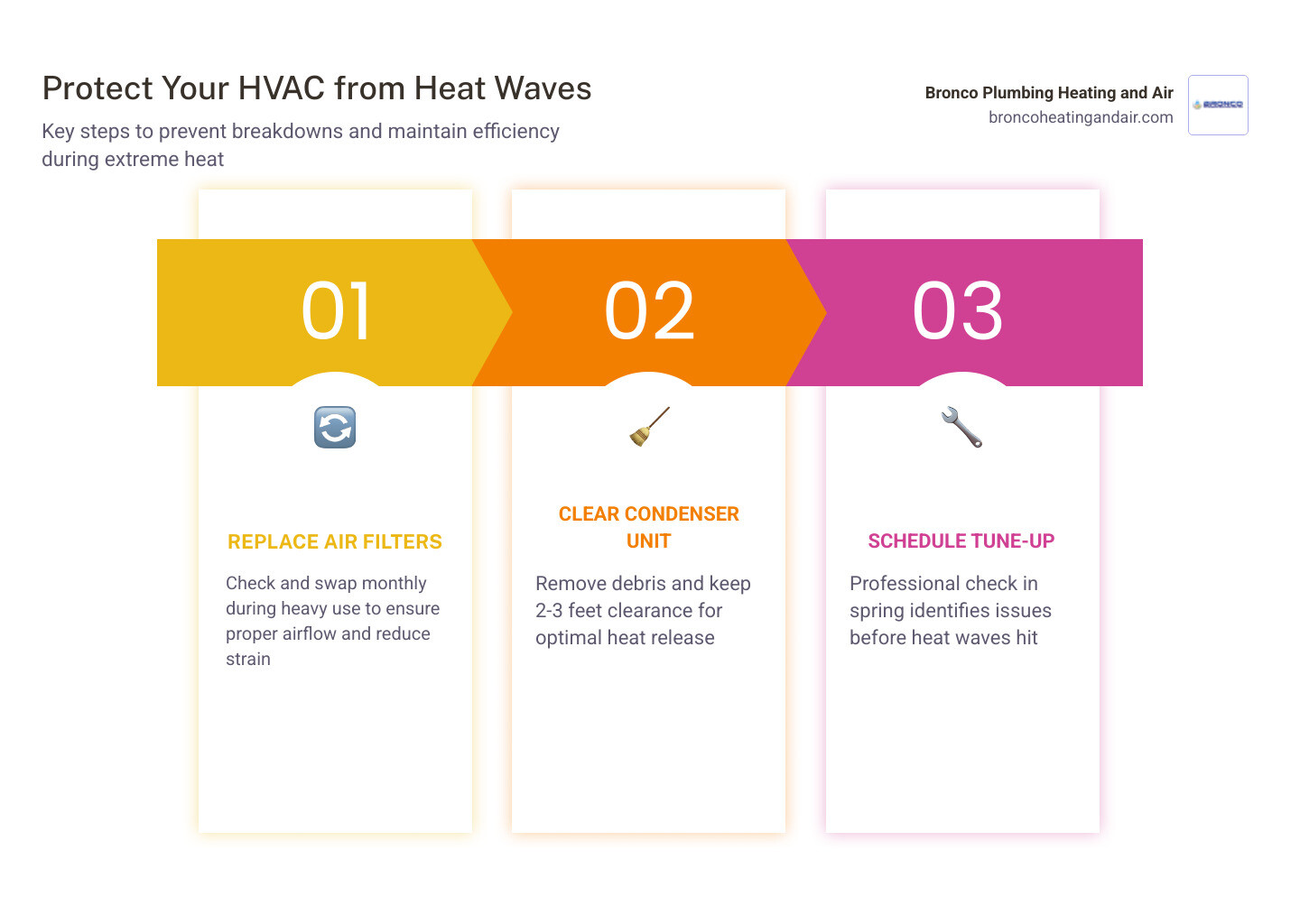
- Replace air filters - Check and swap them monthly during heavy use
- Set your thermostat wisely - The Department of Energy recommends 78°F when home, 80°F when away
- Clear the outdoor condenser unit - Remove debris and maintain at least 2-3 feet of clearance
- Block solar heat gain - Close blinds and curtains on sun-facing windows during peak hours
- Limit heat-generating appliances - Avoid using ovens and dryers during the hottest parts of the day
- Use ceiling fans strategically - They can make a room feel up to 4°F cooler
- Schedule a professional tune-up - Ideally in spring, before extreme heat arrives
Heat waves are becoming more frequent, more intense, and longer-lasting across the United States, and Sacramento is no exception. According to the EPA, that trend is backed by 60 years of weather data. When your AC runs nonstop for days at a time, components like the compressor, capacitors, and coils are pushed to their limits. The result? Increased risk of failure, higher energy bills, and a shortened system lifespan — often at the worst possible time.
The good news is that most heat wave breakdowns are preventable. With the right habits and a little proactive maintenance, you can keep your system running strong even when the summer sizzle is at its peak.
How Extreme Heat Impacts HVAC Performance
In the Sacramento Valley, we are no strangers to high-pressure weather patterns that trap hot air and send temperatures skyrocketing. When a heat wave hits, your air conditioner doesn't just work harder—it works differently. Most people think an AC "creates" cold air, but it actually removes heat from your home and dumps it outside. When the outdoor air is already 105°F, it is much harder for the system to release that captured heat.
This leads to continuous operation, where the system runs for hours without a break. This marathon usage puts immense stress on the compressor, which is essentially the "heart" of your AC. If the compressor overheats, the entire system fails. Furthermore, extreme heat reduces the overall efficiency of the unit. As the system struggles to keep up, it may develop airflow restrictions. For example, if the air filter is even slightly dirty, the blower motor has to work twice as hard. In some cases, low airflow combined with high demand can even cause your evaporator coils to freeze over—yes, your AC can actually freeze up in the middle of a 100-degree day!
To ensure your unit can handle these demands, you should ask yourself: Is Your Air Conditioning System Ready for the Summer? Taking care of AC Maintenance Roseville CA before the peak of July is the best way to prevent these mechanical meltdowns.
Signs Your System is Struggling
It is important to catch the "whispers" of a failing system before they turn into a "scream" (or a total shutdown). If you notice any of the following during a Sacramento heat advisory, your system is likely under too much strain:
- Uneven Temperatures: Some rooms feel like an ice box while others feel like a sauna.
- Frequent Cycling: The unit turns on and off every few minutes (known as short-cycling), which wears out the capacitor and starter.
- Unusual Noises: Banging, grinding, or squealing sounds often indicate a failing motor or loose belt.
- Rising Energy Bills: A sudden spike in your utility bill usually means the system is losing efficiency.
- Warm Airflow: If the air coming out of the vents isn't crisp and cold, you might have a refrigerant leak or a failing compressor.
Essential Steps for Protecting Your HVAC System During Heat Waves
The secret to protecting your HVAC system during heat waves is reducing the "load" or the amount of work the machine has to do. Think of it like a car: you wouldn't drive a car at 100 mph for five days straight without checking the oil and tires. Your HVAC is the same.
Start by looking at your outdoor condenser unit. This is the big metal box in your yard that handles the heat exchange. If it is covered in dust, grass clippings, or spider webs, it can't "breathe." We recommend keeping at least 2 to 3 feet of clear space on all sides of the unit. Trim back any bushes or tall weeds that have grown too close.
For residents in the area, scheduling a professional HVAC Tune Up Roseville CA ensures that the internal coils are chemically cleaned, which is vital for heat transfer. If you live nearby, AC Maintenance Citrus Heights CA can help identify small electrical issues, like a weakening capacitor, before the heat causes it to pop.
Optimizing Thermostat Settings for Protecting Your HVAC System During Heat Waves
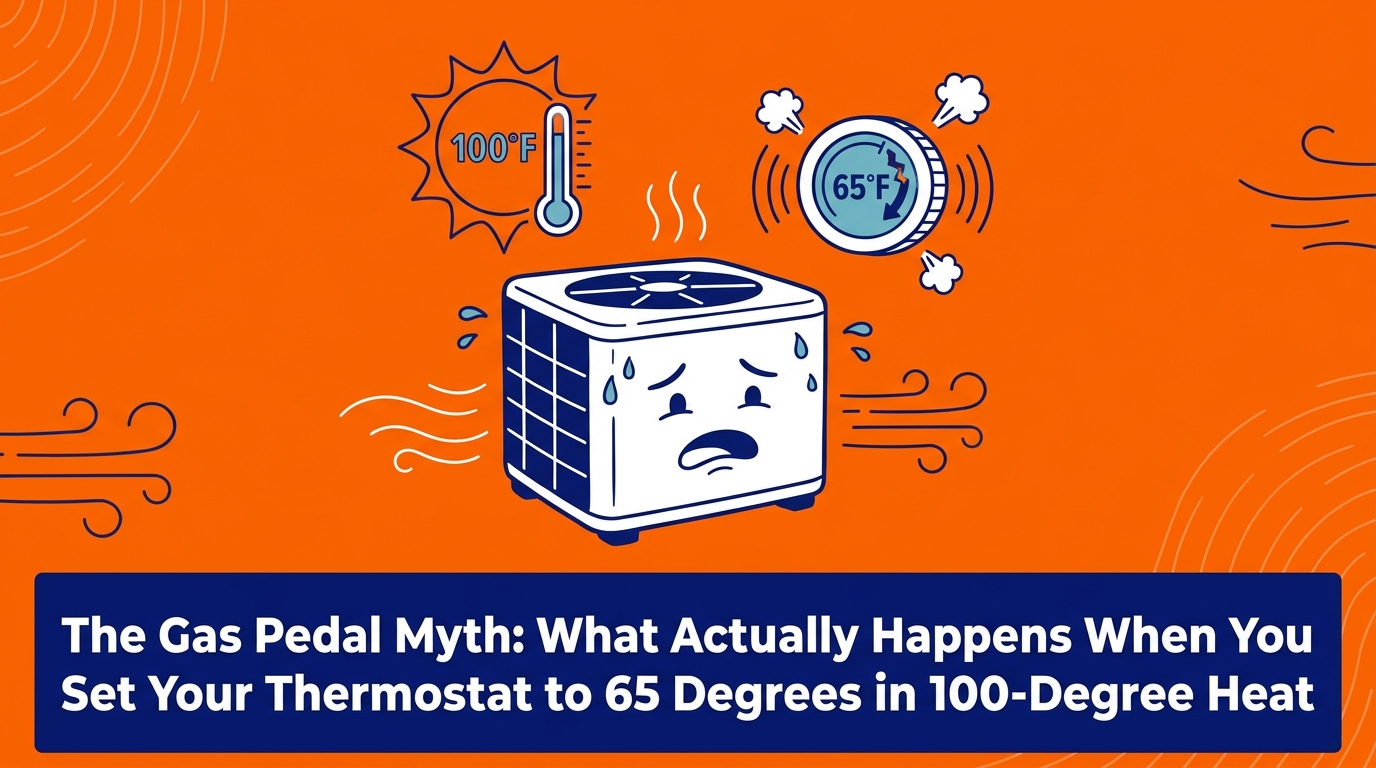
One of the most common mistakes homeowners make is "cranking it down" to 65°F when they get home. Here is a professional tip: your AC does not cool faster just because you set the thermostat lower. It cools at the exact same rate whether you set it to 70°F or 60°F. Setting it too low just forces the system to run longer, increasing the risk of a breakdown.
The Department of Energy recommends a "sweet spot" of 78°F when you are home. We know that sounds a bit warm, but when it’s 105°F outside, a 78°F indoor temperature is still significantly cooler and much easier for your system to maintain. If you are going to be away for more than eight hours, consider raising it to 80°F or 82°F.
Consistency is key. Modern systems are much more efficient at maintaining a steady temperature than they are at "recovering" from a 10-degree jump. This is where HVAC Maintenance Roseville CA comes in handy, as our technicians can ensure your thermostat is properly calibrated.
Maintaining Airflow and Filtration
Airflow is the lifeblood of your HVAC system. A clogged filter is like trying to breathe through a thick sweater while running a marathon. During a heat wave, your system is moving a massive volume of air, which means it picks up dust and pet dander faster than usual.
You might wonder, "How Often Do I Need to Change My Air Filter?" While the standard advice is every three months, during a Sacramento summer, you should check it every 30 days. If you have pets or live in a dustier area like Rio Linda or Elverta, you may need to change it even more frequently.
Using high-efficiency filters (like those with a MERV 8 to 11 rating) can improve indoor air quality, but make sure your system is powerful enough to pull air through them. Also, keep your return vents clear of furniture and curtains. If the system can't "inhale" enough air, it can't "exhale" cold air into your rooms.
Household Habits to Reduce Cooling Load
Your house is like a giant thermal envelope. The more heat you let in, the harder your AC has to work to push it out. By changing a few simple habits, you can significantly reduce the strain on your system.
The biggest culprit for indoor heat is solar heat gain. When the sun beats down on your windows, it acts like a greenhouse. Keeping your blinds and curtains closed—especially on the south and west-facing sides of the house—can block a massive amount of radiant heat. If you're looking for the Best AC Maintenance Repair Tips Antelope CA, thermal or reflective shades are a top recommendation.
Another habit to change is the timing of your chores. Appliances like ovens, dishwashers, and clothes dryers generate a lot of internal heat and humidity. Try to avoid using these during the peak heat hours (usually 2:00 PM to 7:00 PM). Instead, use the microwave, grill outside, and run the laundry late at night or early in the morning when the air is cooler.
Supplemental Cooling Strategies
You don't have to rely solely on your HVAC to feel cool. Ceiling fans are your best friend during a heat wave. While fans don't actually lower the temperature of the room, they create a "wind-chill effect" on your skin. This can make you feel up to 4 degrees cooler, allowing you to raise the thermostat setting without losing comfort.
Make sure your ceiling fans are rotating counterclockwise in the summer to push air straight down. Remember: fans cool people, not rooms, so turn them off when you leave the area to save electricity.
Other strategies include:
- Cross-Ventilation: If the temperature drops at night, open windows on opposite sides of the house to create a breeze.
- LED Lighting: Traditional incandescent bulbs are basically tiny heaters. Swapping to LEDs keeps your rooms cooler and lowers your electric bill.
- Dehumidify: High humidity makes 80°F feel like 90°F. Using your bathroom exhaust fans during and after showers helps pull that moisture out of the house.
Professional Maintenance and Long-Term Upgrades
While DIY tips are great for daily protection, nothing beats a professional eye. A certified technician can see things that the average homeowner might miss, like a slightly frayed fan belt or a refrigerant level that is just a few ounces low. If you're curious about the process, you can read more about What Happens During Air Conditioning Maintenance.
For total peace of mind, we highly recommend a Maintenance Plan. This ensures your system is checked twice a year, keeping it in peak condition for both the summer sizzle and the winter chill. As a leading HVAC Company Roseville CA, we often find that the most reliable systems are the ones that receive regular professional attention.
Long-term home modifications can also pay off. Adding extra attic insulation or performing air sealing around doors and windows keeps the cold air you've paid for inside your home. In a typical Sacramento house, 20% to 30% of conditioned air is lost through leaky ducts before it even reaches your living room. Sealing those leaks is one of the best investments you can make for your comfort.
The Importance of Proper System Sizing
One of the "hidden" reasons an AC might struggle during a heat wave is that it was never sized correctly for the home. HVAC sizing isn't just about square footage; it requires a complex "Manual J" load calculation that considers insulation levels, window types, and local climate.
- Undersized Units: These will run 24/7 during a heat wave and still never reach the set temperature. This leads to premature compressor failure.
- Oversized Units: These "short-cycle," turning on and off too quickly. They don't run long enough to remove humidity, leaving your home feeling clammy and "sticky."
If your system is more than 10-12 years old and struggles every summer, it might be time to discuss a modern, high-efficiency replacement. Getting an AC Tune Up Roseville CA can help determine if your current unit is sized correctly or if it's simply reaching the end of its functional life.
Frequently Asked Questions about HVAC Care
When should I call for emergency HVAC repair during a heat wave?
Safety should always be your first priority. You should call a professional immediately if you experience:
- Burning Smells: This could indicate an electrical fire or a seized motor.
- Tripped Breakers: If your AC keeps tripping the circuit breaker, do not keep flipping it back on. This is a sign of a dangerous electrical "short" or an overworked compressor drawing too much power.
- Total Cooling Loss: If the outdoor unit isn't running at all and your indoor temperature is rising rapidly, it's an emergency, especially for seniors or those with health conditions.
If you are in Citrus Heights and your system quits, our HVAC Tune Up Citrus Heights CA service can quickly diagnose the root cause.
How does protecting your hvac system during heat waves improve its lifespan?
Think of it as "mechanical stress management." By following the tips in this guide, you are reducing the number of hours the compressor has to run and the temperature it has to reach. This leads to reduced wear and tear on all moving parts. A system that is protected during the summer can easily last 15 to 20 years, whereas a neglected system might fail after just 10. For more details on longevity, check out our AC Maintenance Repair Guide Arden Arcade CA.
Can I clean the outdoor condenser unit myself?
Yes, homeowners can and should perform basic debris removal. You can gently use a garden hose (not a pressure washer!) to rinse dust and dirt off the fins. You should also trim any vegetation back at least two feet. However, deep cleaning the internal coils and checking the electrical components should be left to the pros. For more DIY advice, see our Best AC Maintenance Repair Tips Carmichael CA.
Conclusion
Protecting your HVAC system during heat waves doesn't have to be a daunting task. By combining simple household habits—like closing your blinds and adjusting your thermostat—with regular professional maintenance, you can ensure your home remains a cool sanctuary even when the Sacramento sun is at its most intense.
At Bronco Heating and Air, we are proud to be your local Sacramento HVAC experts. Our team of licensed, professional, and courteous technicians is dedicated to providing cost-effective solutions for families from Roseville to Elk Grove and everywhere in between. Whether you need a quick filter change, an emergency repair, or a complete system upgrade, we are here to help.
Don't wait for the next triple-digit forecast to take action. Schedule your service in Sacramento CA today and let us help you shield your system from the summer sizzle!

Customer Testimonials
Our customer testimonials highlight the reliable service, quality workmanship, and trusted results homeowners experience with Bronco Plumbing Heating and Air.


Ready to Transform your Home?
Create a healthier, more comfortable home with expert HVAC, plumbing, and indoor air quality solutions you can trust. From efficient heating and cooling to cleaner air and reliable repairs, our experienced team is here to keep your family comfortable year-round with dependable service and upfront pricing.
Related Articles
What Actually Happens When You Set Your Thermostat to 65 Degrees in 100-Degree Heat

Repairing vs. Replacing a Blown AC Compressor Mid-Summer
The Hidden Cost of Dirty AC Coils in Dusty North Highlands Neighborhoods