



.svg)

Central Air vs Mini Split for Older Homes: Which Wins?
The Real Options for Adding Cooling Without Ductwork, ComparedAdding cooling without ductwork options compared is one of the most common questions Sacramento homeowners face — especially those living in older…
The Real Options for Adding Cooling Without Ductwork, Compared
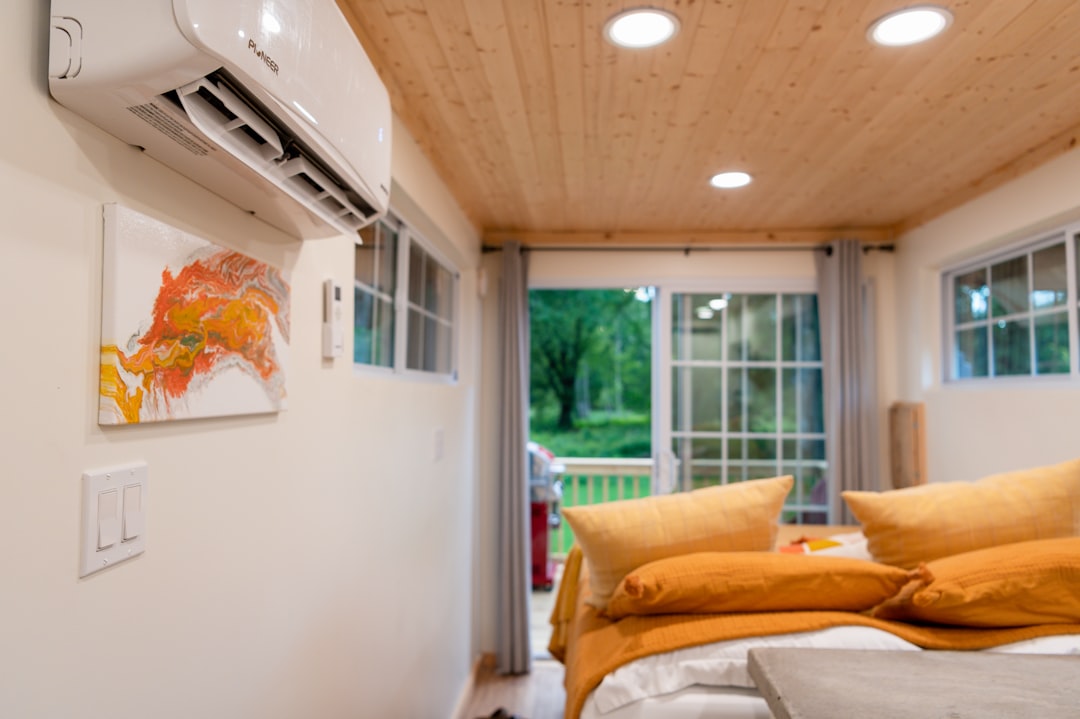
Adding cooling without ductwork options compared is one of the most common questions Sacramento homeowners face — especially those living in older homes built before central air became standard. If your home runs on baseboard heaters, radiators, or a boiler, you likely have no duct system at all. That means a traditional central AC install would require tearing into walls, ceilings, and floors to add ductwork — a major, expensive project.
The good news: you have solid alternatives. Here is a quick look at the most popular ductless cooling options:
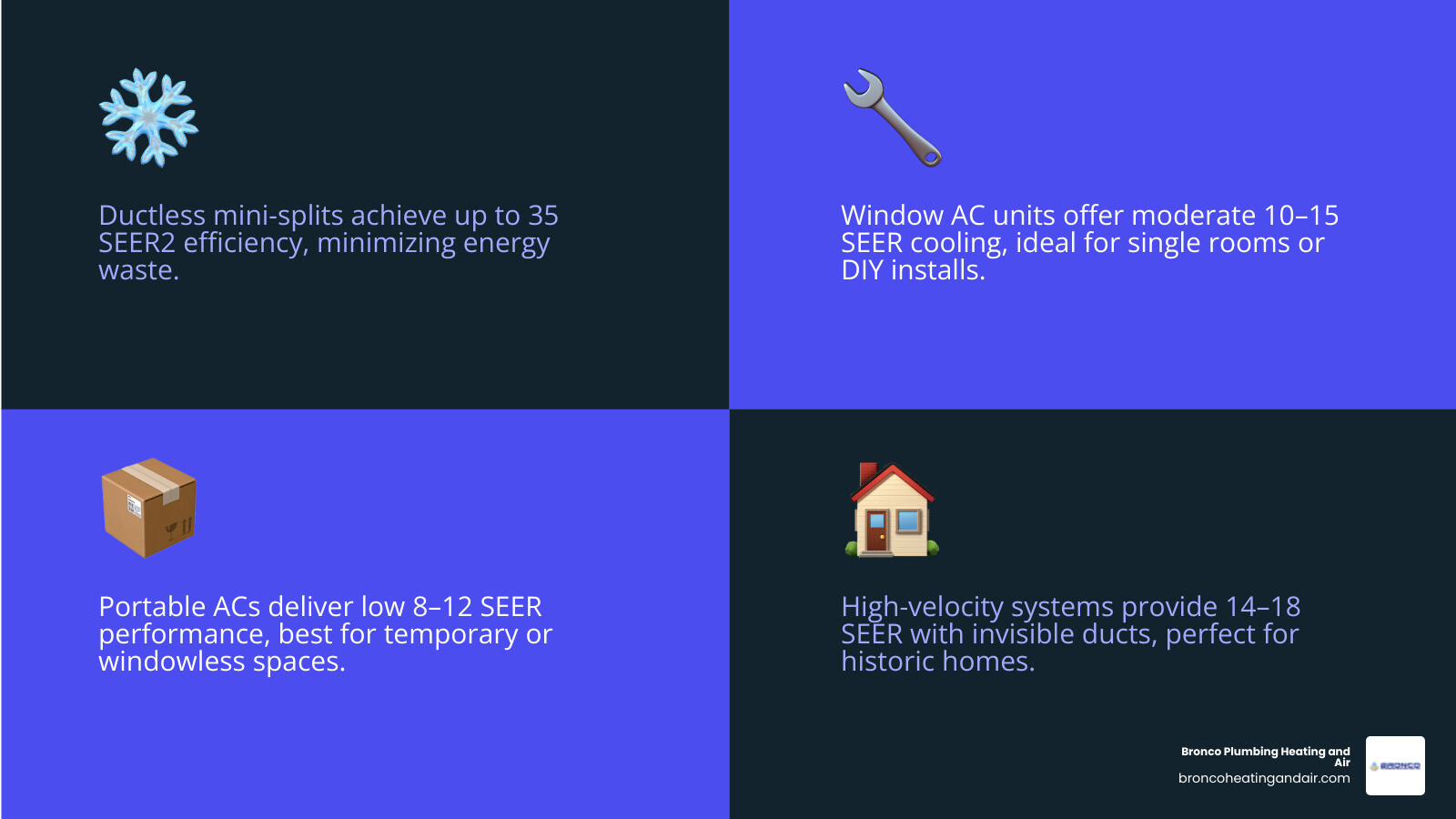
• Ductless Mini-Split — Best For: Whole-home or zoned cooling — Efficiency: Very High (up to 35 SEER2) — Installation: Professional required
• Window AC Unit — Best For: Single room, renters — Efficiency: Moderate (10–15 SEER) — Installation: DIY
• Portable AC — Best For: Temporary or no-window rooms — Efficiency: Low (8–12 SEER) — Installation: DIY
• High-Velocity Small-Duct System — Best For: Historic homes, whole-home invisible install — Efficiency: Moderate (14–18 SEER) — Installation: Professional required
• Through-the-Wall / PTAC — Best For: Rentals, individual rooms — Efficiency: Moderate (12–16 SEER2) — Installation: Professional recommended
• Evaporative Cooler — Best For: Dry climates only — Efficiency: High (uses 75% less electricity) — Installation: DIY to professional
Sacramento summers are no joke. Temperatures regularly push past 100°F, and relying on a window unit or a fan to get through July is a rough way to live. Traditional ductwork can also lose up to 30% of cooling power through leaks — so even if you could add ducts, there are efficiency reasons to consider going ductless instead.
This guide walks you through every realistic option for cooling a home without existing ductwork, so you can make a confident, informed decision for your specific home and comfort needs.
Adding Cooling Without Ductwork Options Compared
When we look at adding cooling without ductwork options compared, we have to consider more than just the purchase price. We have to look at how these systems impact your daily life, your utility bills, and the structural integrity of your home. In the Sacramento Valley, where we experience bone-dry heat and occasional delta breezes, the "best" system often depends on whether you want to cool a single guest room in Citrus Heights or an entire historic Craftsman in Land Park.
Traditional central air conditioning is the "gold standard" for many, but for homes without existing ducts, it is often impractical. Installing new ductwork in an existing home can be incredibly invasive. It requires dropping ceilings or building "soffits" (bulkheads) to hide the pipes, which can ruin the aesthetic of a vintage home. Furthermore, the U.S. Department of Energy notes that duct losses can reduce the efficiency of an AC system by up to 30%. When you go ductless, you eliminate those leaks entirely.
Ductless mini-splits have emerged as the premier choice for homeowners who want the power of central air without the construction headaches. Unlike window units that block your view and let in noise (and bugs), a mini-split is a permanent, whisper-quiet solution. If you are wondering Why Consider Ductless Cooling, the answer usually comes down to the perfect balance of efficiency and comfort.
Sizing for Performance when Adding Cooling Without Ductwork Options Compared
One of the biggest mistakes a homeowner can make is "eyeballing" the size of the unit they need. If an AC unit is too small, it will run constantly and never reach the target temperature. If it is too large, it will "short cycle," turning on and off so rapidly that it fails to dehumidify the air, leaving your home feeling clammy.
To get it right, we use a Manual J calculation. This is a professional formula that accounts for more than just square footage. We look at:
• The orientation of your home (do you have massive west-facing windows in Roseville?).
• The quality of your insulation and air sealing.
• The height of your ceilings.
• Local climate data for the Sacramento region.
Generally, a 12,000 BTU unit is rated to cool about 450 to 550 square feet, but this can vary. For larger homes or multi-story layouts, a multi-zone Mini Split setup is often the most effective way to ensure every corner of the house stays comfortable.
Benefits of Mini-Splits when Adding Cooling Without Ductwork Options Compared
The benefits of a mini-split go far beyond just "blowing cold air." Because the compressor (the noisy part) stays outside, the indoor units are incredibly quiet, often running at 19 to 32 decibels—quieter than a whisper.
Another major advantage is the indoor air quality (IAQ). Standard ducts are notorious for collecting dust, pet dander, and allergens over the years. Mini-splits utilize multi-stage filtration right at the source, catching particles before they enter your room. This is especially beneficial for our neighbors looking for a Mini Split AC Citrus Heights CA to help combat seasonal allergies. Plus, with independent thermostats for each indoor head, you can keep the kitchen cool while leaving the guest room unconditioned, saving significant energy.
Ductless Mini-Split Systems: The Modern Standard
A ductless mini-split is essentially a heat pump divided into two main components: an outdoor compressor/condenser and one or more indoor air-handling units. They are connected by a slender "line set" containing refrigerant, a drain line, and power cables. This line set only requires a small 3-inch hole through the exterior wall, making the installation far less invasive than traditional HVAC.
Modern mini-splits use "inverter technology." Think of a standard AC like a light switch—it’s either 100% on or 100% off. Inverter technology works like a dimmer switch. The system can ramp up or down to meet the exact cooling demand of the room. This prevents those annoying temperature swings and is why many residents seeking a Mini Split AC Roseville CA find their homes much more comfortable than they were with window units.
Efficiency Ratings and Long-Term Savings
When comparing systems, you’ll see ratings like SEER2 (Seasonal Energy Efficiency Ratio). The higher the number, the more efficient the unit. While traditional central air units often top out around 20-26 SEER, some ductless mini-splits can reach a staggering 35 SEER2.
Choosing an ENERGY STAR certified system isn't just about being eco-friendly—it’s about the bottom line. These systems can use up to 60% less energy than standard electric radiators and up to 40% less than conventional ducted systems. Furthermore, federal tax credits (like those available through 2032) can cover up to 30% of the equipment and installation costs for qualifying heat pumps. If you are planning a Mini Split Installation Roseville CA, we can help you identify which models qualify for these incentives.
Cold Climate Performance and Reliability
A common misconception is that ductless systems are only for cooling. In reality, they are highly efficient heaters. They don't generate heat using expensive electric coils; they move heat from the outside air into your home.
Even when it gets chilly in the Sacramento Valley, modern "cold climate" models can maintain full heating capacity down to 5°F, and some provide meaningful heat even at -15°F. This makes them a reliable primary heat source for older homes that currently rely on inefficient baseboard heaters. You can learn more about the mechanics in our guide on Ductless Heating - How Does It Work.
High-Velocity and Alternative Cooling Solutions
While mini-splits are the most popular choice, they aren't the only way to add cooling without traditional ducts. Some homeowners prefer "invisible" solutions, especially in historically sensitive properties where they don't want a unit mounted on the wall.
High-velocity small-duct systems use narrow, flexible 2-inch tubes that can be snaked through existing wall cavities and floor joists with minimal disruption. The air is delivered through small, round outlets about the size of a tea saucer. Other options include PTAC units (the "through-the-wall" units often seen in hotels) or evaporative coolers, which work exceptionally well in our dry Sacramento climate. You can explore more about these in our post on 2 Alternatives to Traditional Air Conditioning.
Comparing High-Velocity to Traditional Central Air
High-velocity systems offer a unique advantage: they remove up to 30% more moisture than conventional AC. This can make a room feel cooler at a higher temperature setting, which is a great comfort boost during humid spells. However, they are generally less efficient than mini-splits (usually 14–18 SEER) and can be louder due to the high speed of the air.
For those in historic areas like Carmichael, the choice often comes down to aesthetics. If you want the cooling power of a central system but have zero room for 12-inch ducts, a high-velocity system or a Mini Split AC Carmichael CA with a "concealed duct" indoor unit (hidden in the attic or crawlspace) are your best bets.
Hybrid Setups for Historic Properties
Sometimes, the best solution is a "hybrid" approach. Many older homes in our area have beautiful, functional radiator systems that provide comfortable, steady heat in the winter. We often recommend keeping those radiators for extreme cold and layering a ductless mini-split on top to provide all of the summer cooling and most of the "shoulder season" heating.
This "best of both worlds" strategy preserves the architectural integrity of the home while providing modern comfort. If you are looking into Ductless Heating Roseville CA, consider how a hybrid setup might save you from a total home renovation while still slashing your energy bills. This is a popular choice for homes with solid brick or plaster-over-lath walls that are notoriously difficult to modify.
Frequently Asked Questions about Ductless Cooling
We hear a lot of questions from Sacramento homeowners when they are adding cooling without ductwork options compared. Here are the most frequent concerns we address during our consultations.
Can a mini-split cool an entire older home?
Absolutely. While a single-zone unit is great for a sunroom or a garage conversion, a "multi-split" system can power up to five indoor units from one outdoor condenser. By strategically placing these indoor units in bedrooms and main living areas, you can achieve whole-home comfort that is actually more precise than a central AC system because each room is its own independent zone.
How do ductless systems improve indoor air quality?
Standard central AC relies on air being pushed through long runs of ductwork that are rarely cleaned. These ducts can harbor dust, mold, and allergens. Ductless systems deliver air directly into the room. Each indoor unit contains its own washable filters that are easy to maintain, ensuring the air you breathe is free from the "duct dust" often found in older homes.
What maintenance is required for ductless systems?
Maintenance is relatively simple but essential:
• Filter Cleaning: You should check and wash the indoor unit filters every 1–3 months, depending on use.
• Outdoor Unit: Keep the area around the outdoor condenser clear of debris, leaves, and weeds to ensure proper airflow.
• Professional Tune-Ups: We recommend an annual professional inspection to check refrigerant levels, clean the coils, and ensure the condensate drain is clear. Regular maintenance keeps your system running at peak efficiency for 15–20 years.
Conclusion
At Bronco Heating and Air, we understand the unique challenges of keeping a home comfortable in the Sacramento Valley. Whether you are in a vintage home in Land Park or a newer addition in Folsom, adding cooling without ductwork options compared doesn't have to be a stressful process.
Our team of licensed, professional technicians is dedicated to finding the most cost-effective and efficient solution for your specific property. From the initial Manual J sizing to the final professional installation, we ensure your new Mini Split or alternative cooling system provides years of quiet, reliable comfort. Don't spend another summer "toughing it out" with loud window units—give us a call today to explore how we can modernize your home's comfort while preserving its character.

Customer Testimonials
Our customer testimonials highlight the reliable service, quality workmanship, and trusted results homeowners experience with Bronco Plumbing Heating and Air.


Ready to Transform your Home?
Create a healthier, more comfortable home with expert HVAC, plumbing, and indoor air quality solutions you can trust. From efficient heating and cooling to cleaner air and reliable repairs, our experienced team is here to keep your family comfortable year-round with dependable service and upfront pricing.
Related Articles

Diagnosing Weak Airflow in the Farthest Bedroom of Your House


Why Placer County Soil Shifting Causes Underground Plumbing Stress in Late Summer
Transitioning Your Heat Pump Settings as August Nights Finally Cool Down