



.svg)

How Sacramento Heat Affects Your HVAC System Without Breaking the Bank
How Sacramento Heat Affects Your HVAC System (And What You Can Do About It)How Sacramento heat affects your HVAC system is something every local homeowner eventually faces — usually right…
How Sacramento Heat Affects Your HVAC System (And What You Can Do About It)
How Sacramento heat affects your HVAC system is something every local homeowner eventually faces — usually right when temperatures hit triple digits and comfort is no longer optional.
Here's a quick summary of the key ways Sacramento's heat puts stress on your cooling system:
• Cooling capacity limits - Most AC systems can only cool your home about 20°F below the outdoor temperature. On a 105°F day, that means indoor temps may not drop below 85°F.
• Increased run times - Your system runs longer and harder to fight off heat absorbed through your roof, walls, and windows.
• Component wear - Compressors, capacitors, and fan motors degrade faster under sustained high heat loads.
• Uneven cooling - Attics can exceed 130°F, pushing heat into upper floors and making upstairs rooms significantly warmer.
• Higher energy use - Heating and cooling already account for 40–50% of home energy bills; extreme heat pushes that even higher.
• Urban heat island effect - Downtown Sacramento neighborhoods can run up to 8°F hotter than surrounding areas, demanding even more from your system.
• Delta Breeze complications - While the evening breeze brings relief, it also adds humidity that forces your AC to work harder to dehumidify.
Sacramento summers are no joke. The region regularly sees daytime highs between 95°F and 105°F from late June through early September, and heat waves have pushed the thermometer as high as 109°F — a record that tested just about every HVAC system in the valley. Most residential systems are designed to handle outdoor temps up to about 95°F. Beyond that, they're operating outside their comfort zone, just like you.
The good news? Understanding how your system responds to extreme heat makes it much easier to protect it, stay comfortable, and avoid costly emergency breakdowns.
Understanding How Sacramento Heat Affects Your HVAC System
When we talk about how Sacramento heat affects your HVAC system, we have to start with physics. Your air conditioner doesn't actually "create" cold; it removes heat from inside your home and dumps it outside. When Sacramento hits those record-breaking 109°F highs, that heat transfer process becomes incredibly difficult.
Most residential AC units are engineered with a specific "design temperature" in mind—usually around 95°F. When the mercury climbs into the triple digits, the system reaches its cooling capacity limit. A common rule of thumb in the industry is the 20-degree differential. This means a healthy, well-maintained system can generally keep the indoor temperature about 20 degrees cooler than the outside air. If it’s 105°F in Roseville or Citrus Heights, seeing 82°F or 85°F on your thermostat doesn't necessarily mean your system is broken; it means it's hitting its physical limit.
Furthermore, your home acts like a giant heat sponge. Your roof, walls, and windows absorb solar energy all day. In the Sacramento Valley, attic temperatures can soar above 130°F on a hot afternoon. This massive "heat load" radiates down into your living space, forcing your HVAC to run nearly non-stop just to maintain a baseline of comfort. For those living in the heart of the city, More info about AC services can help ensure your system is sized correctly to handle these local extremes.
Why the Urban Heat Island and Delta Breeze Matter
Sacramento has a unique climate profile that dictates how our HVAC systems perform. If you live in downtown Sacramento, Land Park, or Midtown, you are likely feeling the "Urban Heat Island" effect. Hard surfaces like asphalt and brick soak up heat during the day and radiate it back at night, keeping downtown temperatures up to 8°F higher than rural areas like Davis or Woodland. This means your AC gets less of a "break" overnight.
Then there’s the Delta Breeze. We all love that cool air coming off the Bay, but it brings a hidden challenge: humidity. While Sacramento is generally dry, the Delta Breeze can cause humidity shifts that force your HVAC system to work harder at dehumidification. If your system isn't properly sized for these swings, you might feel "clammy" even if the temperature is dropping. Additionally, our winter "tule fog" can lead to moisture buildup and corrosion on outdoor components if they aren't maintained, proving that the valley climate is a year-round challenge for mechanical equipment.
The Impact of High Ambient Temperatures on System Components
Extreme heat is the primary enemy of mechanical longevity. When it’s 100°F+, the compressor—the "heart" of your AC—has to work under much higher refrigerant pressures to move heat. This creates internal friction and heat, leading to accelerated wear.
Electrical components like capacitors are also vulnerable. These parts provide the "jolt" needed to start motors, and they are notorious for failing during the first major heat wave of the summer. When your condenser coils get coated in valley dust, the heat transfer process is further stifled, forcing the system to run longer cycles. Over time, this constant strain can shave years off the expected 15-to-20-year lifespan of a standard unit.
Common Signs Your System is Struggling in the Valley Heat
How do you know if your system is just working hard or if it’s actually failing? One of the most common signs of a struggling system is constant cycling or short cycling. If your AC is turning on and off every few minutes, or if it runs for six hours straight without the indoor temperature budging, it’s a sign that the heat load is winning.
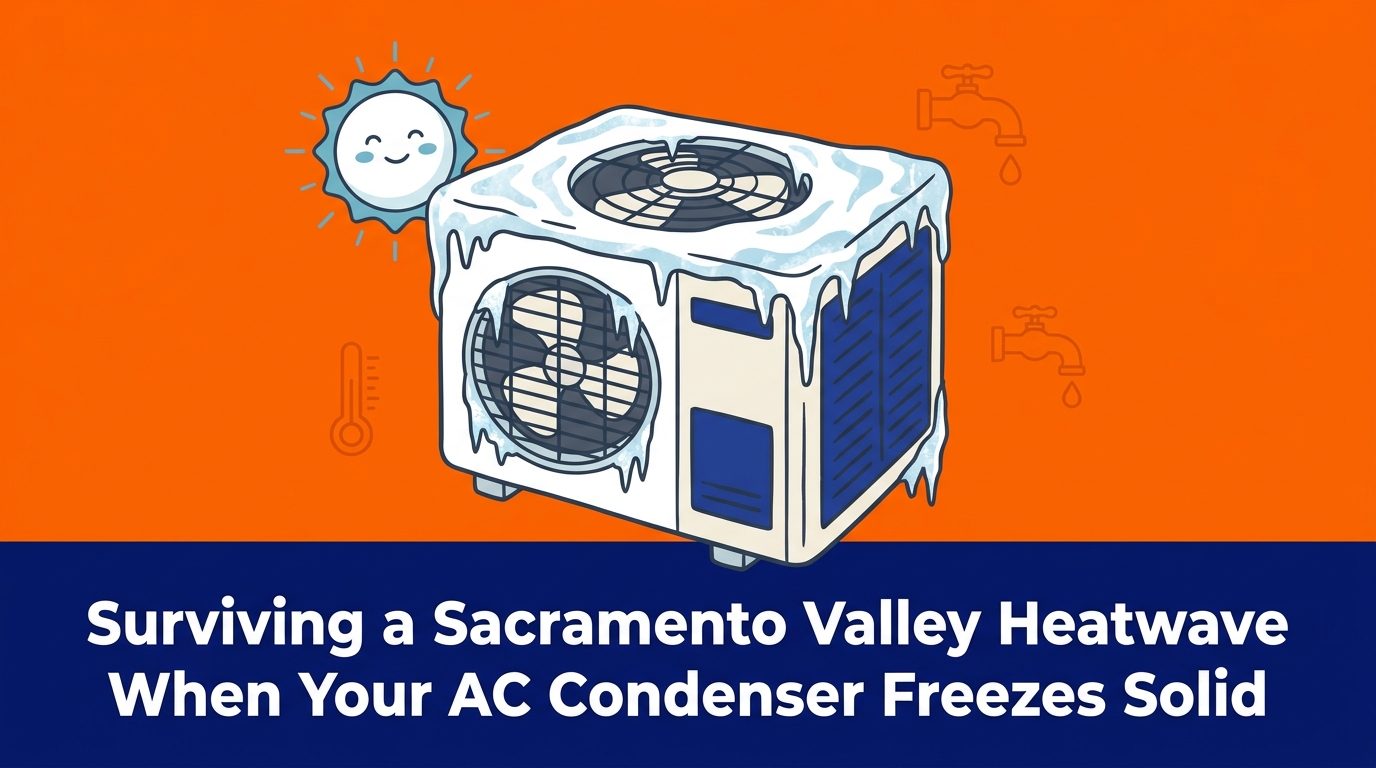
Uneven cooling is another red flag. If your living room feels like the Arctic but your bedroom feels like a sauna, you likely have airflow restrictions or ductwork pressure imbalances. You might also notice warm airflow coming from the vents. This could indicate a refrigerant leak or a frozen evaporator coil—yes, your AC can actually freeze over in 100-degree heat if airflow is restricted by a dirty filter!
Why Upstairs Rooms Feel Warmer During a Sacramento Heat Wave
It’s the age-old Sacramento struggle: the downstairs is 72°F, but the upstairs is 82°F. This happens because heat naturally rises, but in our region, the culprit is often the attic. With attic temps hitting 130°F+, the ceiling of your second floor becomes a giant radiator.
Poor attic insulation and leaky ductwork in the crawlspace or attic allow that heat to infiltrate your cooled air before it ever reaches the registers. West-facing windows in neighborhoods like Natomas or Elk Grove also take a beating from the afternoon sun, adding massive solar heat gain to those upper rooms. Without proper "zoning" or balanced duct pressure, your HVAC system simply can't push enough air upstairs to overcome the rising heat.
Identifying Normal Performance vs. System Failure
We often get calls from worried homeowners when their thermostat "creeps" up to 78°F or 80°F during a 110°F afternoon. In many cases, this is normal performance. If your system is blowing air that is 15 to 20 degrees cooler than the air entering the return vent (the "supply-return split"), it is likely doing its job.
However, system failure looks different. Warning signs include:
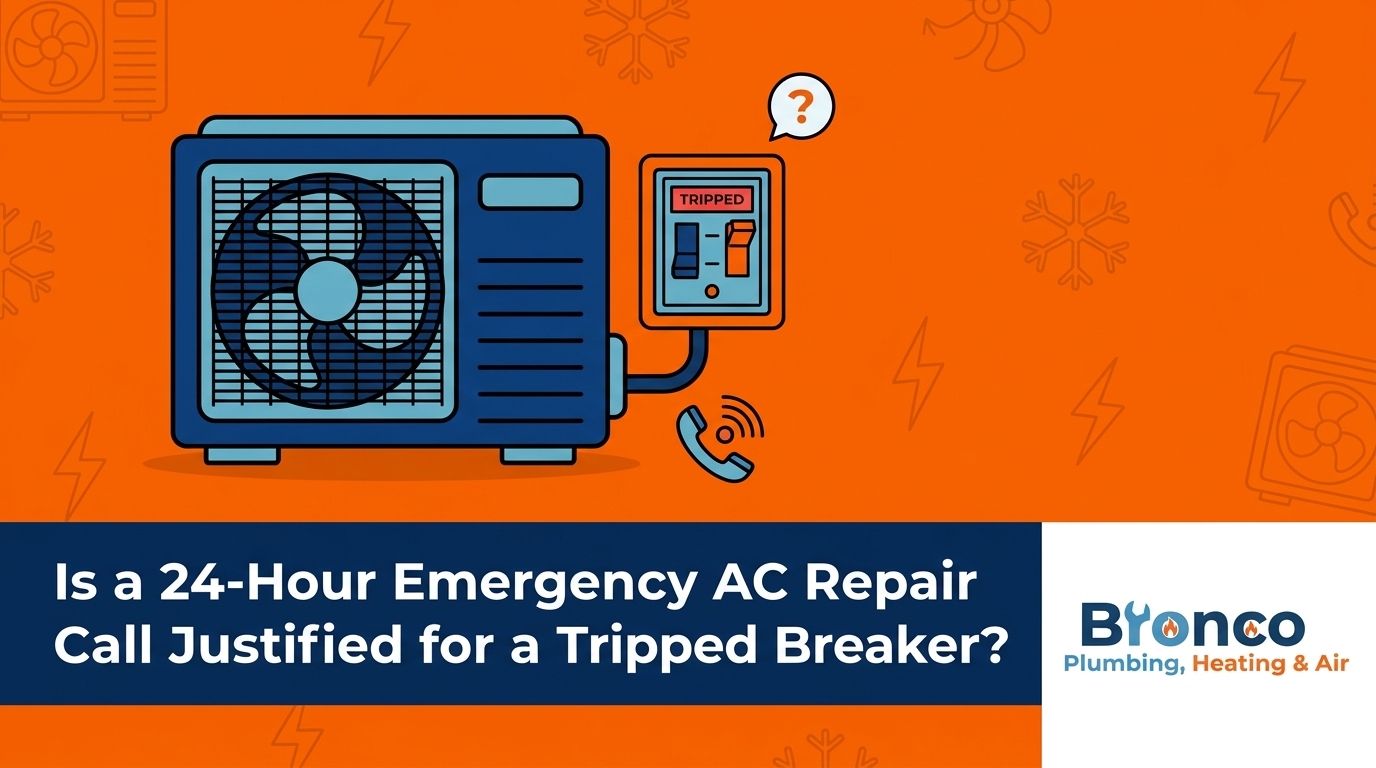
• Tripped breakers: The system is drawing too much power because a motor is failing.
• Strange noises: Grinding, squealing, or loud buzzing from the outdoor unit.
• Ice formation: Visible ice on the copper refrigerant lines.
• No airflow: The fan is running, but nothing is coming out of the vents.
If you encounter these, it’s time to shut the system off to prevent further damage and call in the pros.
Strategic Ways to Manage How Sacramento Heat Affects Your HVAC System
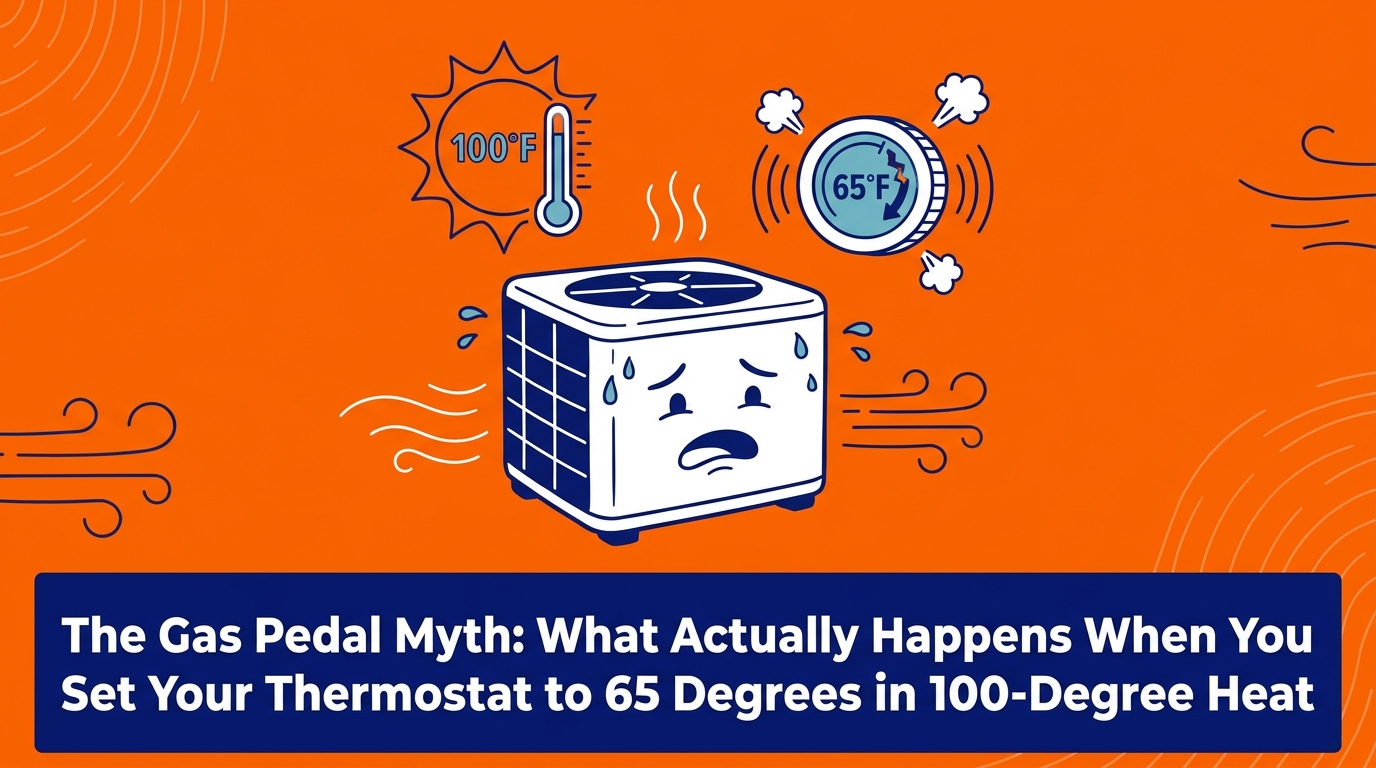
You don't have to just sit there and sweat! Managing how Sacramento heat affects your HVAC system requires a mix of smart technology and old-school habits. We recommend setting your thermostat to 78°F when you’re home. Every degree lower can increase your energy usage by up to 6%.
One of the best strategies for our area is "pre-cooling." Because of Sacramento's Time-of-Use (TOU) rates, electricity is much cheaper in the morning. By "super-cooling" your home to 70°F or 72°F before 4:00 p.m., you can turn the thermostat up during the expensive peak hours (4:00 p.m. to 9:00 p.m.) and let your home’s "thermal mass" keep you comfortable. For more tailored advice, More info about maintenance services can ensure your thermostat is programmed perfectly for your specific utility plan.
Simple Homeowner Actions to Reduce Heat Load
Your HVAC system is the "heavy lifter," but you can give it a much-needed assist.
• Window Treatments: Keep those blackout curtains and blinds closed on the south and west sides of the house. This can reduce heat gain by up to 30%.
• Ceiling Fans: Ensure they are rotating counterclockwise in the summer to push a cooling breeze downward. Fans cool people, not rooms—turn them off when you leave!
• Avoid Appliances: Using your oven, clothes dryer, or dishwasher during the heat of the day adds significant internal heat. Save the baking for the morning or use an outdoor grill.
• LED Lighting: Traditional incandescent bulbs are basically tiny heaters. Switching to LEDs keeps things cooler.
The Importance of Air Filter Maintenance
If there is one "Summer MVP" for your HVAC, it’s the air filter. A dirty filter is like trying to breathe through a straw while running a marathon. In Sacramento, our air is often filled with dust, pollen, and occasionally wildfire smoke. These particles clog filters quickly, restricting airflow and forcing your blower motor to work overtime.
We recommend checking your filter every month during the summer. While a MERV 13 filter is great for indoor air quality and capturing viruses, it can sometimes be too restrictive for older systems. Always consult with a technician to find the right balance between clean air and proper system "breathing." Changing a $20 filter can prevent a $2,000 compressor failure.
Long-Term Solutions for Sacramento’s Extreme Climate
If your current system is more than 12-15 years old and struggles every time we hit 100°F, it might be time to look at modern solutions. New SEER2 standards (which replaced the old SEER ratings in 2023) require higher efficiency levels. In California, the minimum for split systems is now 14.3 SEER2.
Modern heat pumps and variable-speed compressors are game-changers for the Sacramento Valley. Unlike older "single-stage" units that are either 100% on or 100% off, variable-speed systems can "throttle" down to 30% or 40% capacity. This allows them to run longer, quieter cycles that maintain a perfectly steady temperature and superior dehumidification. For homes with "hot spots," a ductless mini-split can provide targeted cooling to a specific room without needing to replace the entire central system.
Optimizing Performance Despite How Sacramento Heat Affects Your HVAC System
Don't wait for a breakdown to give your AC some love. Annual tune-ups are essential. A professional technician will:
1. Clean the Condenser Coils: Removing valley dirt and grass clippings so the unit can shed heat efficiently.
2. Check Refrigerant Levels: Even a small leak can cause the system to lose 20% of its cooling power.
3. Inspect Electrical Connections: Tightening terminals and checking capacitors to prevent mid-summer failures.
4. Duct Sealing: Ensuring the air you pay to cool actually makes it into your living room instead of leaking into your attic.
Improving Home Efficiency to Support Your HVAC
Your HVAC system doesn't live in a vacuum. Improving your home's "envelope" makes its job much easier. Consider whole-house fans, which are incredibly effective in Sacramento. They pull in that cool Delta Breeze at night and flush out the hot attic air, giving your AC a massive head start the next morning.
Other high-impact upgrades include adding radiant barriers in the attic, applying reflective window film to west-facing glass, and ensuring your weatherstripping is tight. Even landscaping plays a role—planting deciduous trees on the south side of your home provides natural shade in the summer while letting the sun warm you in the winter.
Frequently Asked Questions about Sacramento HVAC Performance
What is the ideal thermostat setting during a Sacramento heat wave?
Most experts, including Energy Star and local utilities like SMUD, recommend 78°F. This is the "sweet spot" where you stay reasonably cool without putting excessive strain on the electrical grid or your equipment. If 78°F feels too warm, use ceiling fans to create a wind-chill effect that makes the room feel 4 degrees cooler.
Why can't my AC get my house below 80 degrees when it's 105 outside?
This is usually due to the 20-degree differential rule. Residential AC systems are designed for typical summer days, not extreme outliers. When it’s 105°F, the heat penetrating your walls and roof is so intense that the AC can only remove it at a certain rate. If your system is blowing 55-60°F air but the house stays at 80°F, the system is likely working fine—it’s just fighting an uphill battle against the building's heat retention.
How often should I change my air filter during the summer?
During peak Sacramento summers, you should check your filter every 30 days. If you have pets, live near a construction site, or if there is wildfire smoke in the air, you may need to replace it monthly. At a minimum, never go more than 3 months without a fresh filter during the cooling season.
Conclusion
Understanding how Sacramento heat affects your HVAC system is the first step toward a stress-free summer. From the record-breaking 109°F highs to the unique humidity of the Delta Breeze, our local climate demands a lot from our cooling equipment. By performing simple maintenance, using smart thermostat strategies, and knowing the signs of a struggling system, you can keep your home comfortable without breaking the bank.
At Bronco Plumbing Heating and Air, our licensed and professional technicians are experts in the specific challenges of the Sacramento Valley. Whether you are in Elk Grove, Roseville, or anywhere in between, we provide the cost-effective, courteous service you need to stay cool. Don't let the next heat wave catch you off guard—Schedule your Sacramento HVAC service today and ensure your system is ready for whatever the valley throws at it!

Customer Testimonials
Our customer testimonials highlight the reliable service, quality workmanship, and trusted results homeowners experience with Bronco Plumbing Heating and Air.


Ready to Transform your Home?
Create a healthier, more comfortable home with expert HVAC, plumbing, and indoor air quality solutions you can trust. From efficient heating and cooling to cleaner air and reliable repairs, our experienced team is here to keep your family comfortable year-round with dependable service and upfront pricing.
Related Articles
Is a 24-Hour Emergency AC Repair Call Justified for a Tripped Breaker?

Surviving a Sacramento Valley Heatwave When Your AC Condenser Freezes Solid
What Actually Happens When You Set Your Thermostat to 65 Degrees in 100-Degree Heat