



.svg)

High SEER vs Standard SEER AC in Hot Climates: Cheat Sheet to Compare
Decoding SEER2 vs EER2: Why Metrics Matter in Extreme HeatWhen shopping for a new air conditioning system in Sacramento CA, you will quickly run into two major efficiency metrics: SEER2…
Decoding SEER2 vs EER2: Why Metrics Matter in Extreme Heat
When shopping for a new air conditioning system in Sacramento CA, you will quickly run into two major efficiency metrics: SEER2 and EER2. Understanding the difference between these two is critical because they measure efficiency under completely different operating conditions.
SEER2 stands for Seasonal Energy Efficiency Ratio 2. It measures the average cooling efficiency of an air conditioner or heat pump over an entire cooling season. The testing process simulates outdoor temperatures ranging from 65°F to 104°F to reflect typical seasonal and daily temperature swings.
Crucially, SEER2 is an updated standard that replaced the older SEER metric. The key difference is that SEER2 testing uses a much higher external static pressure (0.5 inches of water column versus the 0.1 used in old SEER testing). This change was made to better simulate the real-world resistance of home ductwork. Because of these stricter testing protocols, SEER2 ratings are typically about 4.7% lower numerically than older SEER ratings for the exact same equipment. For example, a unit that was previously rated at 14 SEER is roughly equivalent to a 13.4 SEER2 rating today.
While SEER2 is an excellent tool for estimating overall seasonal electricity consumption, it does not tell the whole story for homes experiencing sustained extreme heat. That is where EER2 (Energy Efficiency Ratio 2) comes in. EER2 measures steady-state efficiency at a fixed, high outdoor temperature of 95°F, an indoor temperature of 80°F, and 50% relative humidity. It tells you exactly how efficiently your system performs during peak load conditions when the sun is beating down on your roof.
To learn more about how these modern testing changes affect your equipment choices, check out our detailed guide on What is a SEER2 Rating on an AC Unit.
Understanding how these ratings are calculated is especially important because of How Sacramento Climate Affects Your HVAC System. Our region experiences long, dry summers with intense afternoon heatwaves, meaning your system spends a lot of its operating life running at or near peak capacity.
EER2 vs SEER2: Which Should You Prioritize in Dry Heat?
In dry, hot regions like the Sacramento Valley, relying solely on SEER2 can lead to unexpected performance gaps. Because SEER2 averages out the milder "shoulder" temperatures of spring and early summer, a system can achieve a very high seasonal rating even if its performance drops off significantly when temperatures soar.
For peak load performance during triple-digit heatwaves, you should pay close attention to the EER2 rating. A high EER2 rating indicates that the system has robust, high-quality components designed to reject heat efficiently even when the outdoor air is scorching.
If your primary goal is to lower your utility bills during our hottest July and August afternoons, prioritizing a balanced system with both a high SEER2 and a solid EER2 (ideally 12.0 or higher for central AC units) is the smartest move. This ensures your system does not consume excessive power when the local grid is under maximum stress.
For a deeper dive into choosing the right system for our local summer peaks, read our article on Choosing an AC for Triple Digit Sacramento Summers.
High SEER vs Standard SEER AC in Hot Climates: The Efficiency Showdown
To understand the real-world financial and operational differences, let us look at how standard-efficiency systems compare directly to premium, high-efficiency models.
Upgrading from an older, standard-efficiency system to a modern, high-efficiency unit can dramatically lower your household energy consumption. For instance, moving from a standard 14 SEER rating to a high-efficiency 20 SEER2 rating can result in energy savings of up to 30% or more. In fact, a 20 SEER system is roughly 43% more efficient than a basic 14 SEER unit.
If you are upgrading from an older 10 SEER system (which is very common in homes with units over a decade old) to a modern 16 SEER system, you can expect to reduce your cooling-season electricity use by 30% to 40% annually.
For a complete breakdown of how standard and premium systems compare across different performance metrics, read our Standard Efficiency vs High Efficiency AC Comparison.
If you are wondering whether the initial investment makes financial sense for your household, we weigh all the local factors in our article, Is a High Efficiency AC Worth the Extra Cost in California.
Real-World Performance of High SEER vs Standard SEER AC in Hot Climates Above 100°F
As outdoor temperatures climb past 100°F, all air conditioners experience some level of capacity degradation. This occurs because the temperature difference between the hot outdoor air and the refrigerant inside the condenser coils becomes much narrower, making it harder for the system to shed heat.
Standard-efficiency systems, which typically rely on single-stage compressors, must run at 100% capacity constantly to keep up with extreme heat. This continuous, full-load operation leads to rapid wear and tear, high energy spikes, and frequent on/off cycling once the indoor thermostat is temporarily satisfied.
In contrast, high-efficiency systems utilize advanced inverter technology and variable-speed compressors. Rather than turning completely off and on, these systems run continuously at lower, highly efficient speeds (often between 30% and 100% capacity) to match the exact heat load of your home.
Even when temperatures exceed 100°F, a variable-speed system can adjust its output incrementally to maintain a precise indoor temperature. Because it avoids the constant energy spikes associated with starting up a single-stage motor, it maintains a distinct efficiency advantage over a standard system.
To understand how extreme summer weather impacts your cooling system over time, read about How Dry Hot Summers Affect HVAC Performance and Lifespan.
Payback Periods and ROI for High SEER vs Standard SEER AC in Hot Climates
The return on investment (ROI) and payback period for a high-efficiency AC system depend heavily on two main factors: local utility rates and annual run hours.
In milder climates where the air conditioner only runs for a few weeks out of the year, a high-efficiency system may take 12 years or more to pay for itself. However, in hot climates like Sacramento, CA, where cooling systems run heavily for up to six months of the year, the payback period is dramatically shorter.
With local electricity rates in California remaining among the highest in the country, every percentage point of efficiency you gain translates directly into monthly savings. Homeowners upgrading to an 18 to 20 SEER2 system often see their monthly cooling bills drop by 20% to 50% compared to older, inefficient units. This accelerated rate of savings allows many local homeowners to fully recoup their upgrade costs in just a few years.
To learn more about why local climate conditions accelerate system aging and alter your financial payback calculations, explore our guide on Why Do AC Units Wear Out Faster in Hot Climates.
Maximizing Efficiency: Technology, Installation, and Ductwork
While choosing a high SEER2 rating is a great first step, the equipment itself is only part of the equation. To realize the full energy-saving potential of a high-efficiency system, the technology must be supported by proper home insulation, sealed ductwork, and professional installation.
If you want to keep your utility bills low and ensure your system runs smoothly for years to come, read our practical tips on How to Extend the Life of Your AC in a Hot Climate.
Variable-Speed vs Single-Stage Compressors in Desert Heat
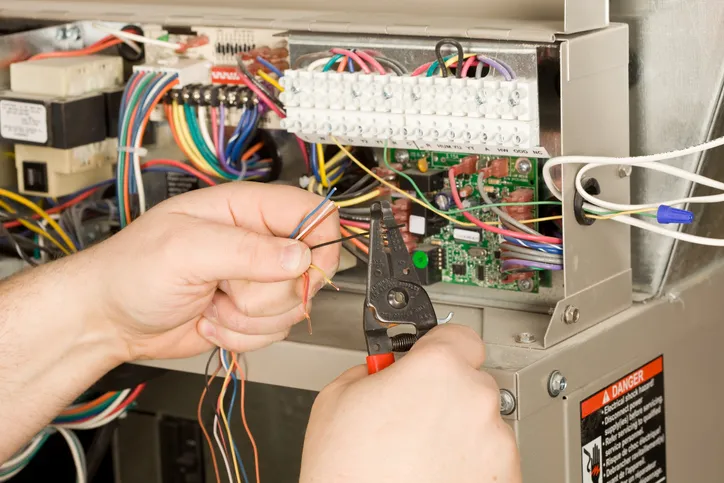
The heart of any air conditioning system is its compressor. Standard units use single-stage compressors, which operate like a light switch: they are either 100% on or completely off. When your home warms up, the system kicks on at full power, blasts cold air until the thermostat is satisfied, and then shuts off. This constant cycling creates noticeable temperature swings and draws massive amounts of electricity every time the system starts up.
High-efficiency systems utilize variable-speed compressors driven by advanced inverter technology. These systems operate more like a dimmer switch. They can run at incredibly precise speeds, matching the exact cooling needs of your home.
By running continuously at lower speeds, variable-speed systems eliminate the frequent on/off cycles that waste energy. This continuous operation also provides superior dehumidification and keeps indoor temperatures within a fraction of a degree of your thermostat setting, eliminating the hot and cold spots common with single-stage units.
The Impact of Ductwork and Home Insulation on Real-World Savings
No matter how efficient your new air conditioner is on paper, it cannot perform at its rated capacity if your home’s ductwork is failing. According to industry data, duct leakage accounts for 20% to 30% of conditioned air loss in typical U.S. homes. Installing a high-efficiency AC unit on a leaky, uninsulated duct system is like putting high-performance racing tires on a car with a broken alignment—you simply will not get the performance you paid for.
Before installing any new system, we always recommend a comprehensive assessment of your home's envelope. This includes:
• Performing a detailed Manual J load calculation to ensure the new system is perfectly sized for your home's specific layout and insulation levels.
• Inspecting and sealing leaky ductwork to prevent conditioned air from escaping into your attic or crawlspace.
• Verifying that your attic insulation meets current energy standards to keep heat from radiating down into your living spaces.
If you are planning an upgrade in the near future, our AC Replacement Guide Arden Arcade CA provides a step-by-step overview of how we evaluate your home's infrastructure to ensure maximum efficiency.
Frequently Asked Questions about AC Efficiency in Hot Climates
What is the best SEER2 rating to target for hot, dry climates like Sacramento CA?
For most homeowners in the Greater Sacramento area, a SEER2 rating of 16 to 18 represents the ideal "sweet spot." This range offers an excellent balance of high energy efficiency, modern two-stage or variable-speed technology, and reasonable upfront costs. Additionally, systems in this range are highly likely to qualify for federal tax credits and local utility rebates, helping to offset your initial investment.
While ultra-high efficiency systems (20+ SEER2) offer the maximum possible energy savings, the diminishing marginal returns mean they may take longer to pay for themselves unless you plan to stay in your home for more than a decade or have exceptionally high summer utility bills.
Do high SEER units lose their efficiency advantage when temperatures exceed 100°F?
They do not lose their efficiency advantage, but the performance gap between standard and high-SEER units does narrow slightly during peak afternoon heatwaves. When outdoor temperatures exceed 100°F, even a variable-speed system will need to ramp up to 100% capacity to keep your home cool.
However, high-efficiency systems still maintain a distinct advantage because they utilize superior coil designs, more efficient fan motors, and advanced electronic controls. Furthermore, as soon as the outdoor temperature drops back down below 95°F during the evening and morning hours, the variable-speed system will immediately ramp back down to its highly efficient part-load operating state, saving you money during the cooler parts of the day.
How long does a high-efficiency AC system last in hot climates?
With proper maintenance, a high-efficiency central air conditioner or heat pump can last between 15 and 20 years. However, the extreme heat of our local summers puts significant physical stress on HVAC components.
To maximize the lifespan of your investment, it is critical to schedule professional preventative maintenance at least once a year. Regular filter changes, coil cleanings, and system calibrations will keep your high-efficiency system operating at peak performance and prevent premature component failures.
To learn more about what to expect regarding equipment longevity in our region, read our guide on How Long Does an AC System Last in Sacramento.
Conclusion
Choosing between a high SEER2 and a standard SEER2 air conditioner is one of the most important decisions you will make for your home's long-term comfort and energy efficiency. While standard systems meet basic federal requirements, upgrading to a high-efficiency system with a variable-speed compressor is a highly effective way to combat rising utility rates and keep your home perfectly comfortable during our scorching summer afternoons.
At Bronco Heating and Air, our licensed, professional, and courteous technicians are dedicated to providing cost-effective heating and cooling solutions tailored to your home's unique needs. We serve homeowners across the Greater Sacramento region, including Sacramento, Folsom, Roseville, Elk Grove, Davis, and Citrus Heights.
If you are ready to explore your options and find the perfect cooling system for your home, visit our Bronco Heating and Air AC Services page today to schedule a professional consultation.

Customer Testimonials
Our customer testimonials highlight the reliable service, quality workmanship, and trusted results homeowners experience with Bronco Plumbing Heating and Air.


Ready to Transform your Home?
Create a healthier, more comfortable home with expert HVAC, plumbing, and indoor air quality solutions you can trust. From efficient heating and cooling to cleaner air and reliable repairs, our experienced team is here to keep your family comfortable year-round with dependable service and upfront pricing.
Related Articles
Why Placer County Soil Shifting Causes Underground Plumbing Stress in Late Summer

Transitioning Your Heat Pump Settings as August Nights Finally Cool Down
The Relationship Between Attic Insulation and Late Summer Cooling Cycles